
From Cricket to Football
Tottenham Hotspur did not begin as a professional football club or even as a football club at all. Its roots were in the Hotspur Cricket Club, formed by schoolboys from Tottenham Grammar School and St John’s Middle Class School. Most of them were only around 13 or 14 years old. Cricket gave them something to do during the summer but once the season ended, they wanted a sport they could continue playing through the winter.
The Boys Behind the Club - Sixpence, Homemade Goals and a Football
That idea led to the creation of a football team in 1882. Among the key initiators were Bobby Buckle, John Anderson and Hamilton Casey, who helped turn a group of school friends into an organised club. The beginnings were extremely modest. Members paid an annual subscription of six pence, and the money was used to buy the most basic equipment: wood for goal and flag posts, material for flags, tape to mark the goal instead of a crossbar, stationery, stamps and eventually a football. The goalposts themselves were handmade. Remarkably, a surviving club record still preserves evidence of those early subscriptions, giving a direct documentary link to the club’s foundation.
Before White Hart Lane
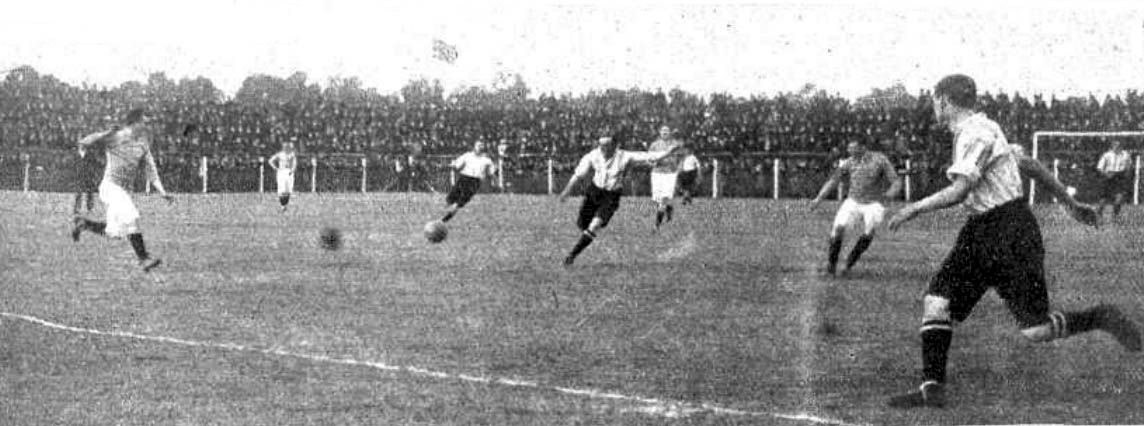
The young club initially had no stadium of its own. Its first games were played on Tottenham Marshes, on open and relatively basic pitches. In 1888, Spurs moved to Northumberland Park, where the club began charging spectators for admission and gradually developed into a more established football organisation. Only in 1899 did Tottenham move to the ground that would become famous as White Hart Lane.
Why “Hotspur”?
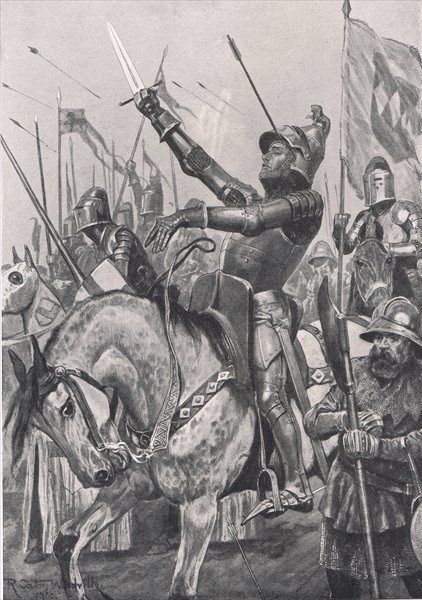
The name Hotspur also came from history rather than football. It referred to Sir Henry Percy, better known as Harry Hotspur, a medieval English knight and nobleman who lived in the 14th century. The Percy family had historical land connections with the Tottenham area, including land around Northumberland Park, which gave the name a strong local association. The figure of Hotspur had also been immortalised in Shakespeare’s Henry IV, Part 1, helping make the name even more recognisable.
John Ripsher and the Club’s Survival
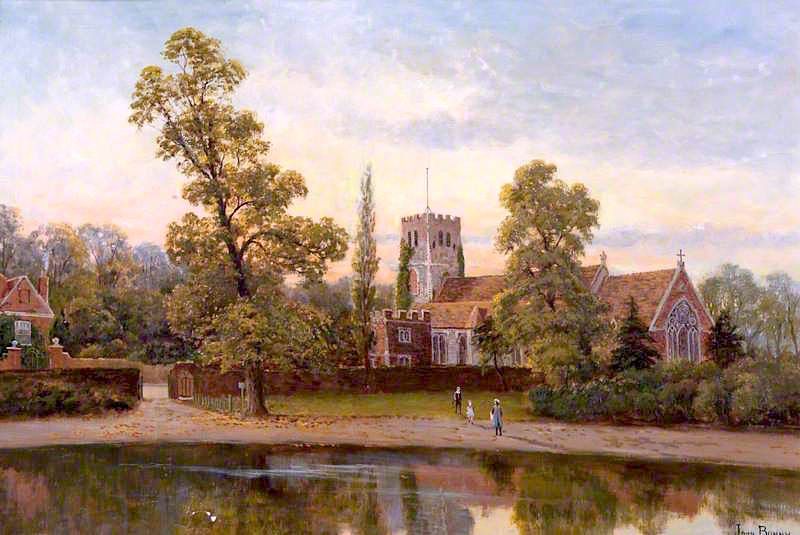
One of the most important figures in Tottenham’s early survival was John Ripsher. In 1883, the boys turned to Ripsher, who was connected with the local YMCA and All Hallows Church. He became the club’s first president and provided something the teenagers themselves could not: structure, stability and adult guidance. Ripsher helped organise the club, secure meeting places and establish basic rules and responsibilities. His role was especially important because many small football clubs formed in the same period quickly disappeared. Tottenham survived, in part, because Ripsher helped transform an informal group of schoolboys into a functioning institution.
Audere est Facere - To Dare Is To Do
Seen from today the contrast is striking. Tottenham Hotspur grew from a group of teenagers looking for something to play in winter, paying sixpence each and making their own goalposts into one of the biggest football clubs in England. The story began not at White Hart Lane but with a cricket club, a handful of schoolboys and a very simple idea: to keep playing. It is difficult not to see something of the club’s famous motto in that story: long before Tottenham had a stadium, trophies or thousands of supporters, a group of schoolboys simply dared to start.
Read next: How Arsenal and Tottenham Became North London Rivals