
Today, Arsenal and Tottenham Hotspur are almost impossible to separate from the idea of North London football. The rivalry feels permanent. But it was not there from the beginning. Arsenal were founded in Woolwich, south of the River Thames. Tottenham, meanwhile, had been based in north London since the 1880s. For years, they were simply two London football clubs. Then Arsenal moved and everything changed.
They had played before but it was not yet a derby
Arsenal and Tottenham first met on 19 November 1887, when Arsenal were still known as Royal Arsenal.
The friendly was played on Tottenham Marshes and was abandoned around 15 minutes from the end because of poor light with Spurs leading 2–1.
The clubs continued to meet occasionally over the following years. Their first competitive encounter came in the United League in 1896, while their first Football League meeting was played in 1909, when Arsenal beat Tottenham 1–0 at the Manor Ground. But these were not yet North London derbies. Arsenal were still a south-east London club. The geography and the rivalry was about to change.
Tottenham did not want Arsenal as a neighbour
In 1913, Arsenal chairman Henry Norris decided that the club could no longer survive in Woolwich. Highbury offered better transport links, a much larger surrounding population and the possibility of attracting significantly bigger crowds.
There was one obvious problem. Highbury was only a few miles from Tottenham. Spurs were not pleased. Tottenham, together with Clapton Orient, opposed Arsenal’s relocation and challenged the move through the Football League. The concern was understandable: football clubs at the time depended heavily on local support and Arsenal were about to arrive in an area where two established clubs were already competing for spectators. The objections failed.
The Football League ruled that there was nothing in its regulations preventing Arsenal from choosing Highbury as their new home. In September 1913, Arsenal arrived in North London. The two clubs were now neighbours. But one more event would turn geographical tension into something much deeper.
1919, the vote that changed the rivalry
Competitive football was suspended during the First World War after the 1914/15 season. At that point, Tottenham had finished bottom of the First Division and Arsenal had finished fifth in the Second Division. When league football returned in 1919, the Football League decided to expand the First Division from 20 clubs to 22.
Chelsea, whose relegation in 1915 had been affected by the infamous Manchester United – Liverpool match-fixing scandal were allowed to remain in the division. That left one place.
Tottenham wanted to retain their First Division status. But Arsenal also applied. So did Barnsley, Wolverhampton Wanderers, Nottingham Forest, Birmingham and Hull City. The decision was made by vote.
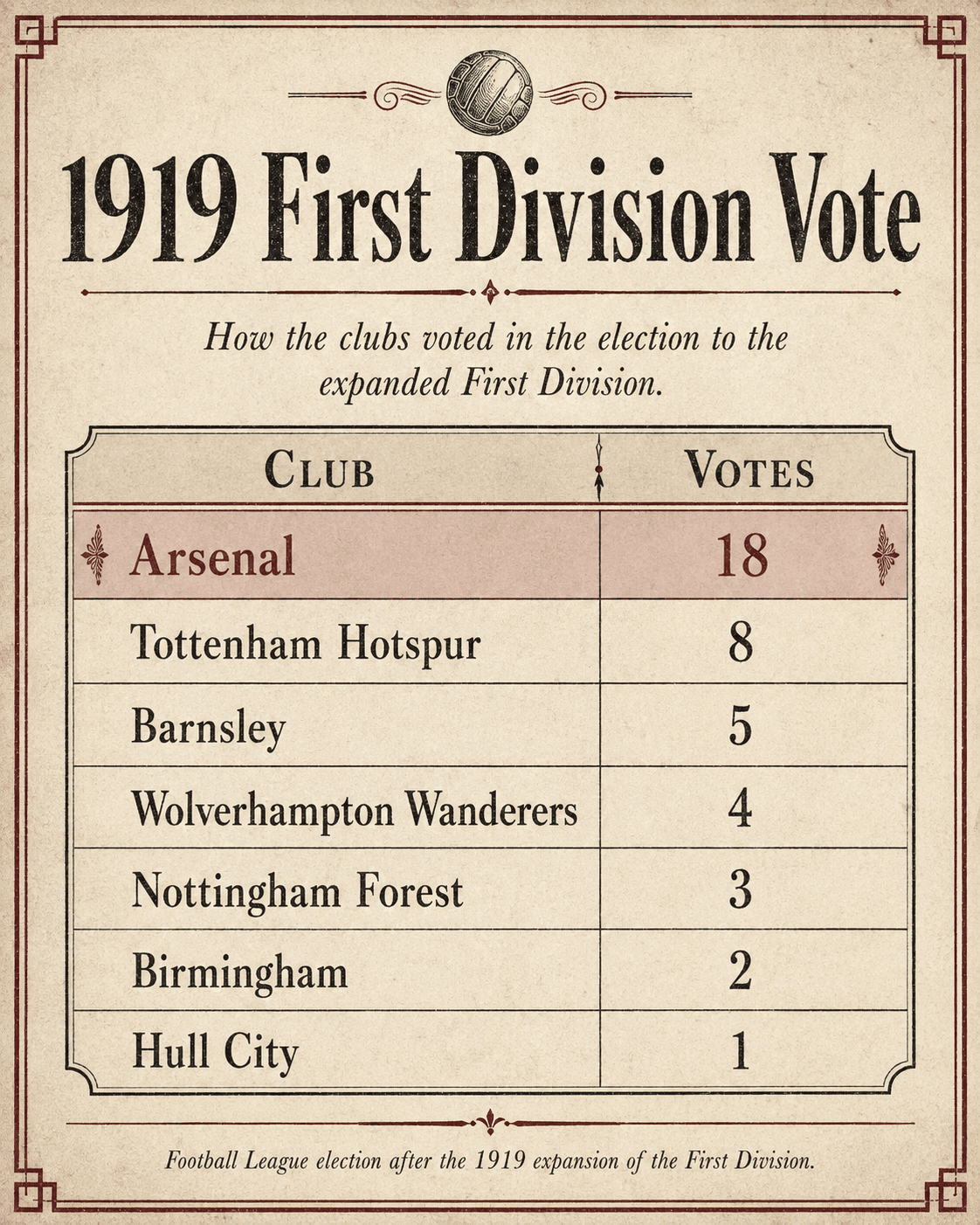
Arsenal were elected to the First Division. Tottenham were not. That episode has generated controversy ever since.
Arsenal chairman Henry Norris was a powerful and well-connected figure and later stories suggested that he had somehow improperly influenced the process. But there is no solid evidence that the vote was fixed and contemporary reports do not support some of the more dramatic versions of the story.
What is certain is the result. Arsenal went up. Tottenham went down and the relationship between the clubs became much more hostile. Spurs responded on the pitch. They won the Second Division in 1919/20 and returned immediately to the top flight. Now the stage was set for a real North London derby.
The first proper North London derby
The clubs had played each other after Arsenal’s move during wartime football, including a War Relief Fund match in 1914. But the first league meeting between them as two North London clubs came on 15 January 1921 at White Hart Lane. Tottenham won 2–1 in front of 39,221 spectators with goals from Jimmy Cantrell and Bert Bliss. One week later they met again at Highbury. This time Arsenal won 3–2. The North London derby was now properly established.
Arsenal won the league at White Hart Lane, twice!
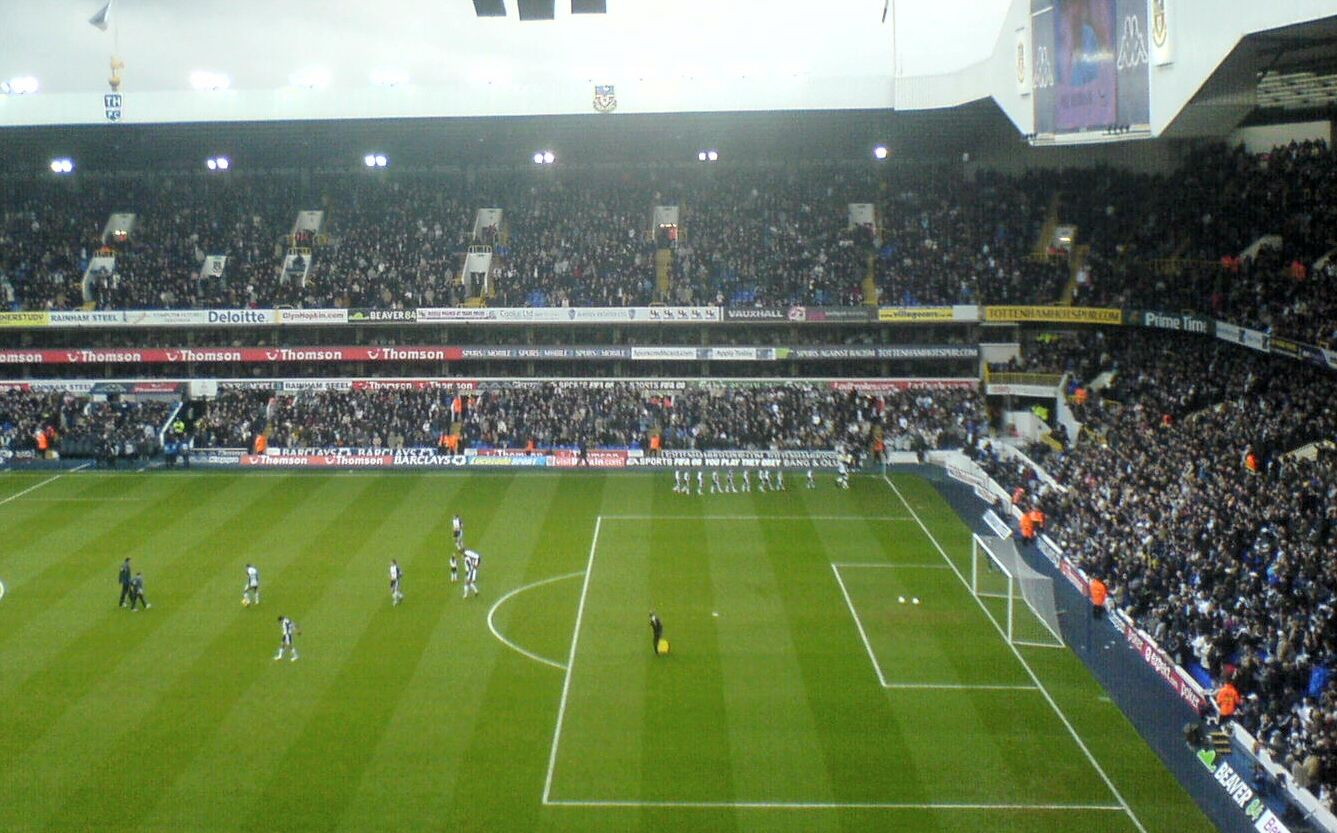
Few rivalries contain a detail as painful for one side as this one. Arsenal have clinched the English league title at Tottenham’s home ground not once, but twice.
The first came in 1971. Arsenal travelled to White Hart Lane for the final league match of the season needing a win or a goalless draw to finish above Leeds United on goal average. For most of the match, the score remained 0–0. Then, in the 88th minute, Ray Kennedy headed Arsenal into the lead. Arsenal won 1–0 and became champions. Five days later they beat Liverpool in the FA Cup final to complete the Double.
Thirty-three years later, it happened again. On 25 April 2004, Arsène Wenger’s unbeaten Arsenal travelled to White Hart Lane knowing a draw would secure the Premier League title. Arsenal went 2–0 ahead before Tottenham fought back to make it 2–2. It did not matter. The point was enough. Arsenal were champions at the home of their biggest rivals and would finish the season unbeaten. That moment became permanently embedded in Arsenal supporter culture: “We won the league at White Hart Lane.”
The players who crossed the divide
For two clubs whose supporters define themselves partly through opposition to each other, a surprising number of players have represented both sides. Some transfers were accepted more easily than others. Pat Jennings is perhaps the best example of someone respected by both clubs. The Northern Irish goalkeeper made hundreds of appearances for Tottenham before joining Arsenal in 1977, where he spent another eight years. He remains admired on both sides of North London.
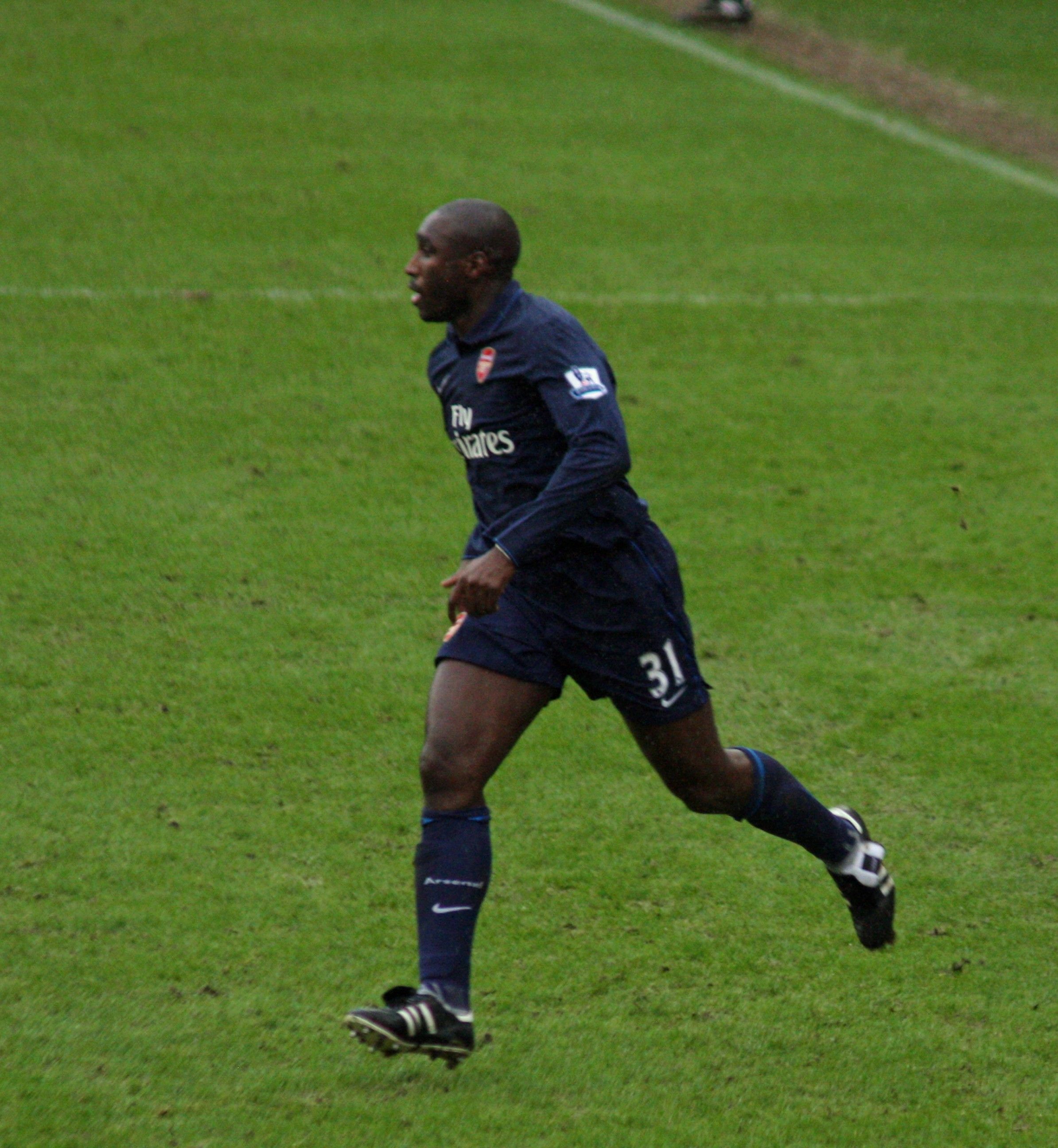
Then there was Sol Campbell. Campbell was Tottenham captain and one of their biggest players when he left on a free transfer in 2001. His destination?
Arsenal.He went on to win major honours with the Gunners, including the unbeaten Premier League title of 2003/04. For Spurs supporters, it remains one of the most controversial transfers in English football.
Other notable players to represent both include:
- William Gallas
- Emmanuel Adebayor
- David Bentley
- Laurie Brown
- Pat Jennings
- Sol Campbell
Gallas even became the first player to represent Chelsea, Arsenal and Tottenham.
Arsenal once used White Hart Lane as a home ground.
There is one particularly strange chapter in this rivalry. During the Second World War, Highbury was requisitioned for wartime use. Arsenal therefore needed somewhere else to play. Tottenham allowed their rivals to use White Hart Lane for many of Arsenal’s wartime home fixtures.
That meant that for a period, Arsenal were effectively playing “home” games at the stadium of the club that had opposed their move to North London less than three decades earlier. The arrangement produced some wonderfully confusing fixtures.
On 24 April 1940, Tottenham recorded a 4–2 win over Arsenal at White Hart Lane but Arsenal were technically the home side.
More than a local derby
The North London derby was not created by one match. It developed in stages. The clubs first met in 1887. Arsenal moved into Tottenham’s neighbourhood in 1913. The controversial Football League vote followed in 1919. And in 1921, the two clubs finally met in the First Division as North London neighbours. From there came more than a century of titles, transfers, arguments, humiliations and unforgettable matches.
Arsenal and Tottenham did not begin as rivals. They became rivals. And almost everything that happened between 1913 and 1921 helped make sure they would remain that way.