1. Getting there
Travelling from East London was straightforward. I came through Stratford, and the journey to Tottenham was easy enough, with good transport connections making the stadium simple to reach.
Tottenham itself has had its critics over the years. Roman Abramovich reportedly once drove along Tottenham High Road while considering buying the club and remarked that it was “worse than Omsk”.
I cannot say I shared that impression. The area felt like a normal part of North London to me, and with the stadium dominating the surroundings, it certainly did not leave me thinking of Siberia.
2. First impression outside
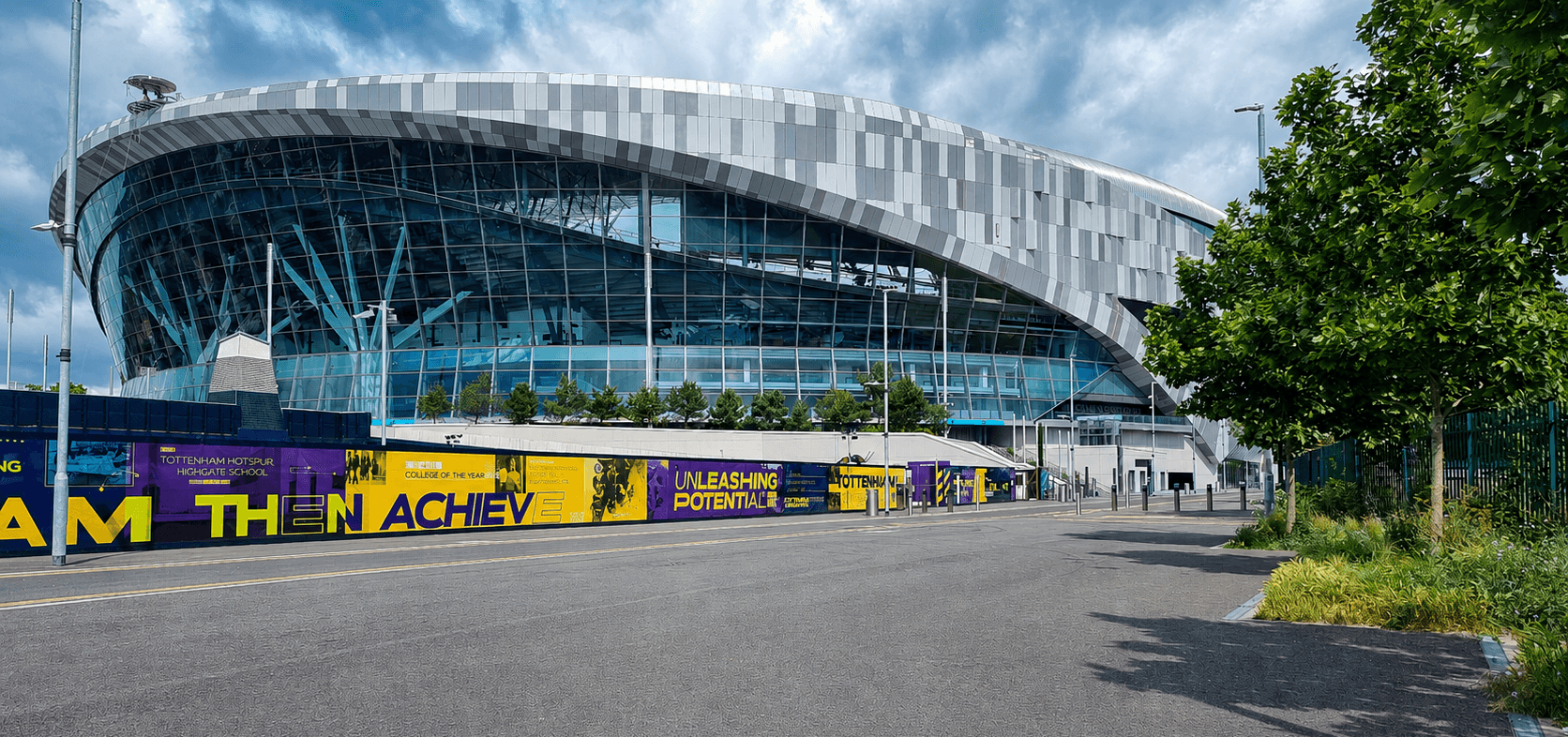
From the outside, the first thing that struck me was the scale of the stadium. Tottenham Hotspur Stadium feels enormous and unmistakably modern. There is very little of the old-fashioned English ground about it, this is clearly a stadium built for a new era.
Personally, I still prefer the atmosphere and character of more traditional, old-school football grounds. They usually have more imperfections, more history visible in the structure itself and a stronger sense of place.
But that does not mean modern stadiums like this should not exist. Football needs both. There is room for grounds full of history and rough edges. There is also room for venues that show how ambitious, comfortable and technologically advanced a football stadium can become.
Tottenham Hotspur Stadium belongs firmly in the second category. It may not have the same kind of charm as an old ground but it has its own identity. One built around scale, design and modernity.
3. Inside the stadium
The strongest part of the tour was the access behind the scenes. The dressing rooms, press conference room and players tunnel all feel polished and modern. Standing underneath the “COME ON YOU SPURS” sign before looking out towards the pitch was one of the moments that best captured the identity of the stadium.
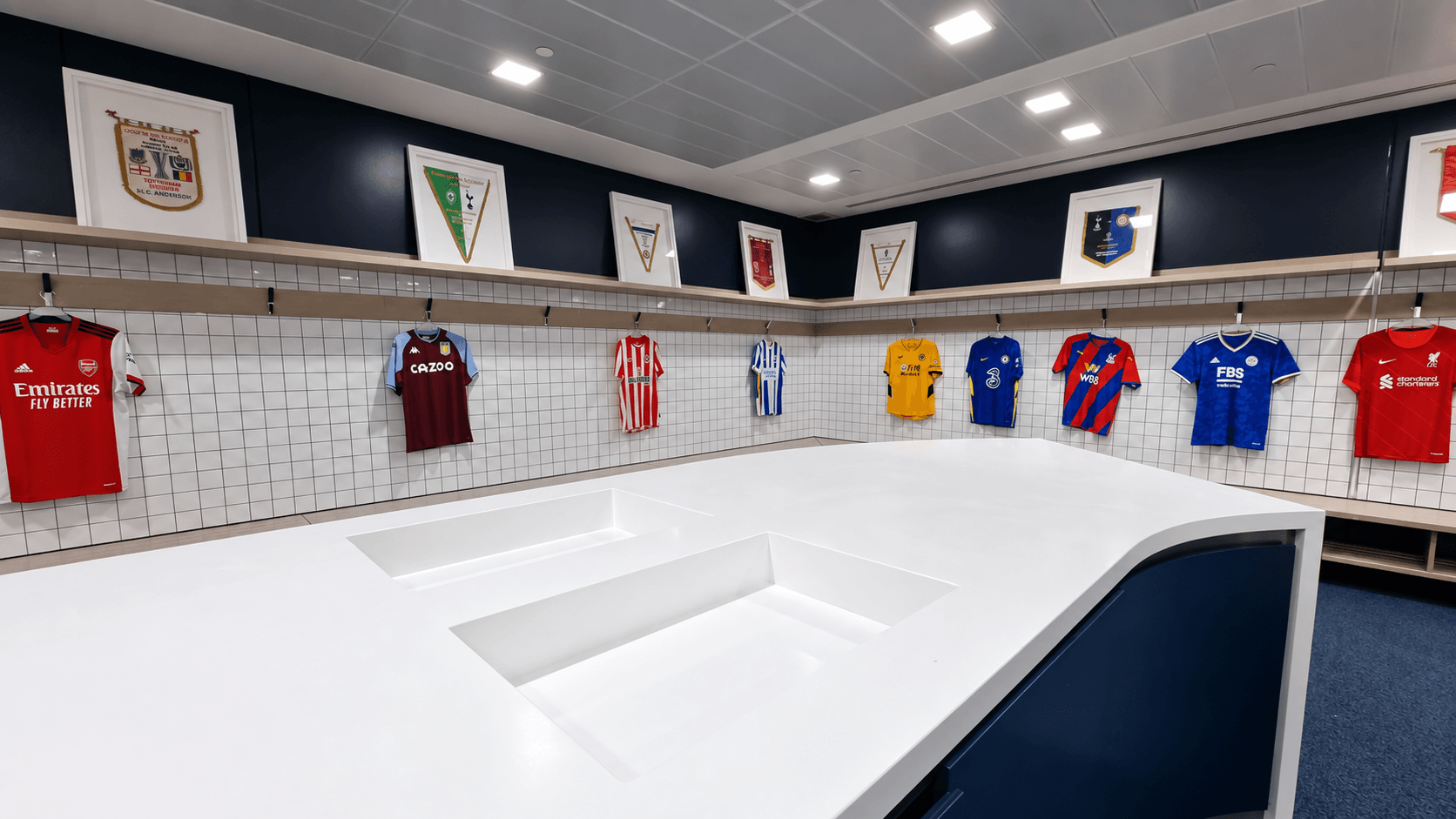
The contrast between the two dressing rooms is noticeable. The away dressing room is much more basic, which is a fairly common trick at football grounds. Tottenham still add an interesting touch, though: shirts of players from other clubs who have appeared at the stadium are displayed around the room.
The home dressing room is a completely different experience. It is larger, cleaner and much more impressive. Being able to sit in the places associated with players like Harry Kane or Son Heung-min gives the tour a much more personal feel.
That kind of access is what makes stadium tours memorable. You are not just looking at the pitch from the stands. You are stepping into the spaces where the players actually spend their matchday.
4. The NFL side of the stadium
One thing that immediately separates Tottenham Hotspur Stadium from almost every other football ground I have visited is its connection with the NFL.
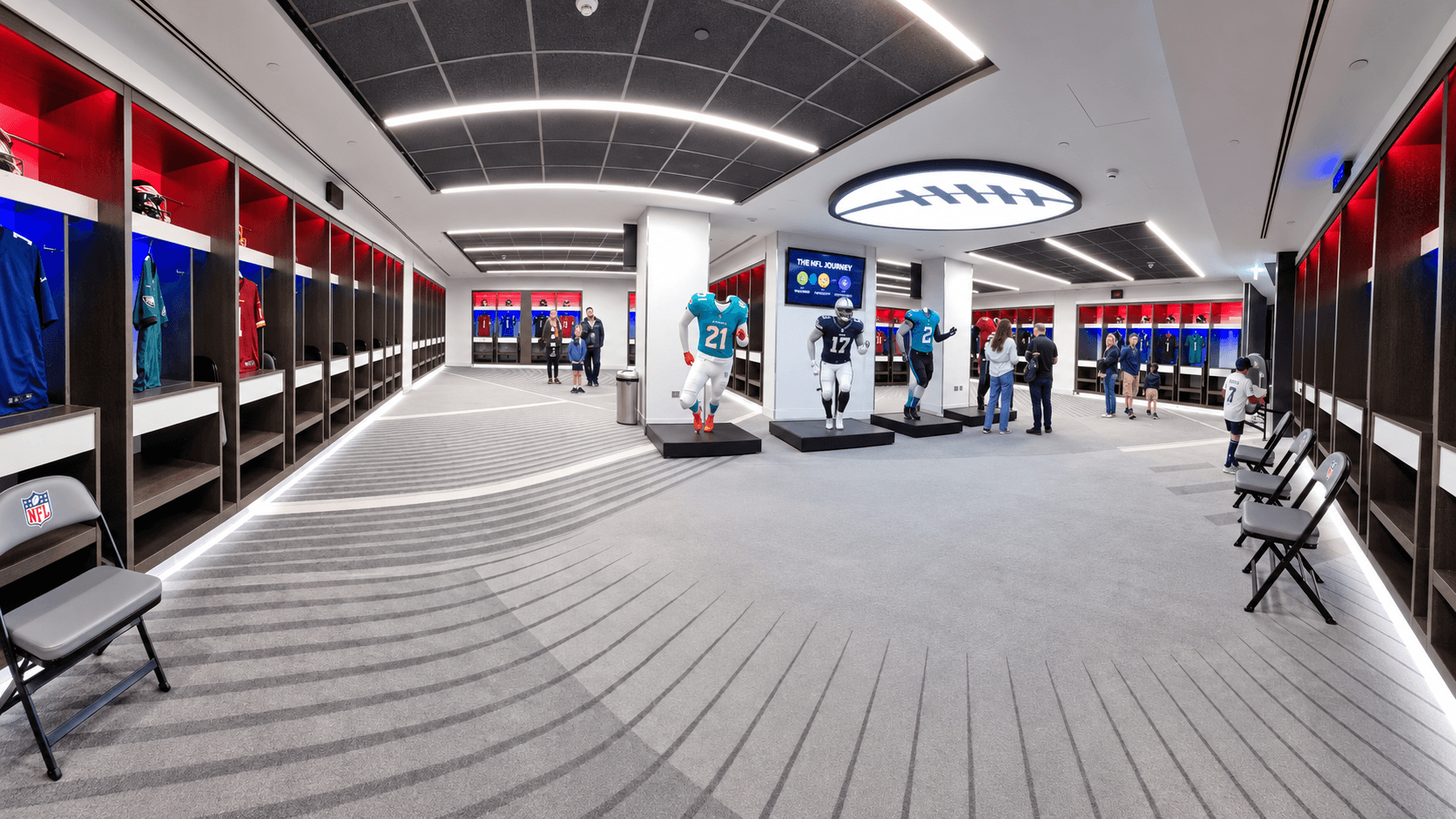
I have visited many stadiums and this is the first time I have seen American football integrated so clearly into the design and operation of a football venue. The separate NFL locker room and dedicated infrastructure make it obvious that this is not simply an occasional extra event. For me, this is one of the most interesting things about the stadium.
If clubs want to compete with the biggest names in modern football, they need to look for new ideas and new revenue streams. Tottenham have clearly chosen to use their stadium as much more than a place for home matches. The NFL is one example. Concerts and other major events are another.
Some supporters may prefer a stadium to exist almost exclusively for football and I understand that view. But from a business and infrastructure perspective, this kind of multi-purpose approach is likely to become more common among major clubs. Tottenham Hotspur Stadium is one of the clearest examples of that model. It is a football stadium, but it was also built to function as a major entertainment venue.
5. The view from the stands
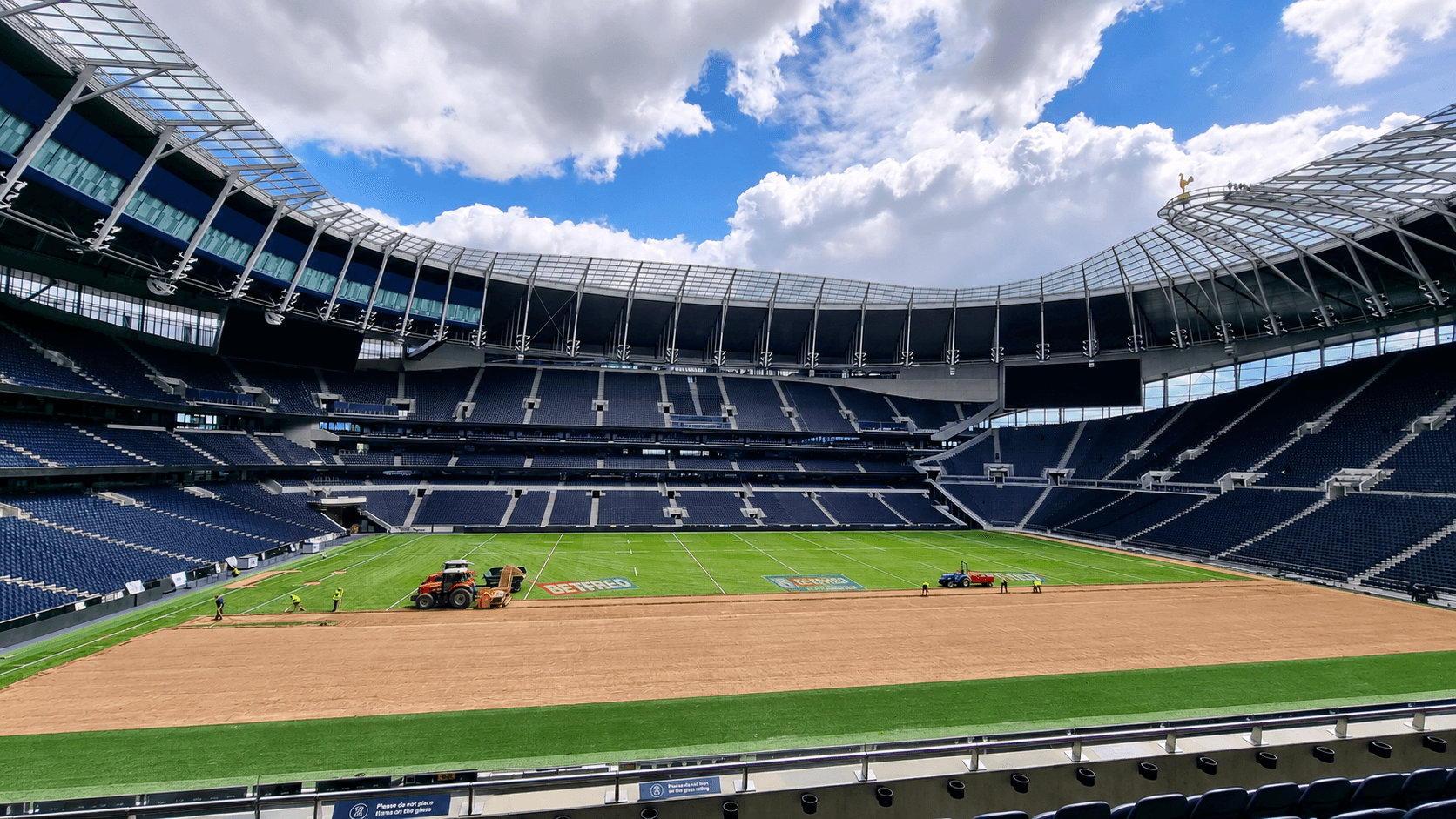
The first view of the pitch was probably the moment when the scale of the stadium became most obvious. Even completely empty, the bowl feels imposing.
During my visit, work was being carried out on the pitch, which actually made the experience more interesting. Instead of seeing only the finished product, I could also see some of the infrastructure and maintenance that goes into running a stadium of this size.
Despite its capacity, the stadium does not feel disconnected from the pitch. The sightlines are excellent and the stands still feel relatively close to the action.
6. History & identity
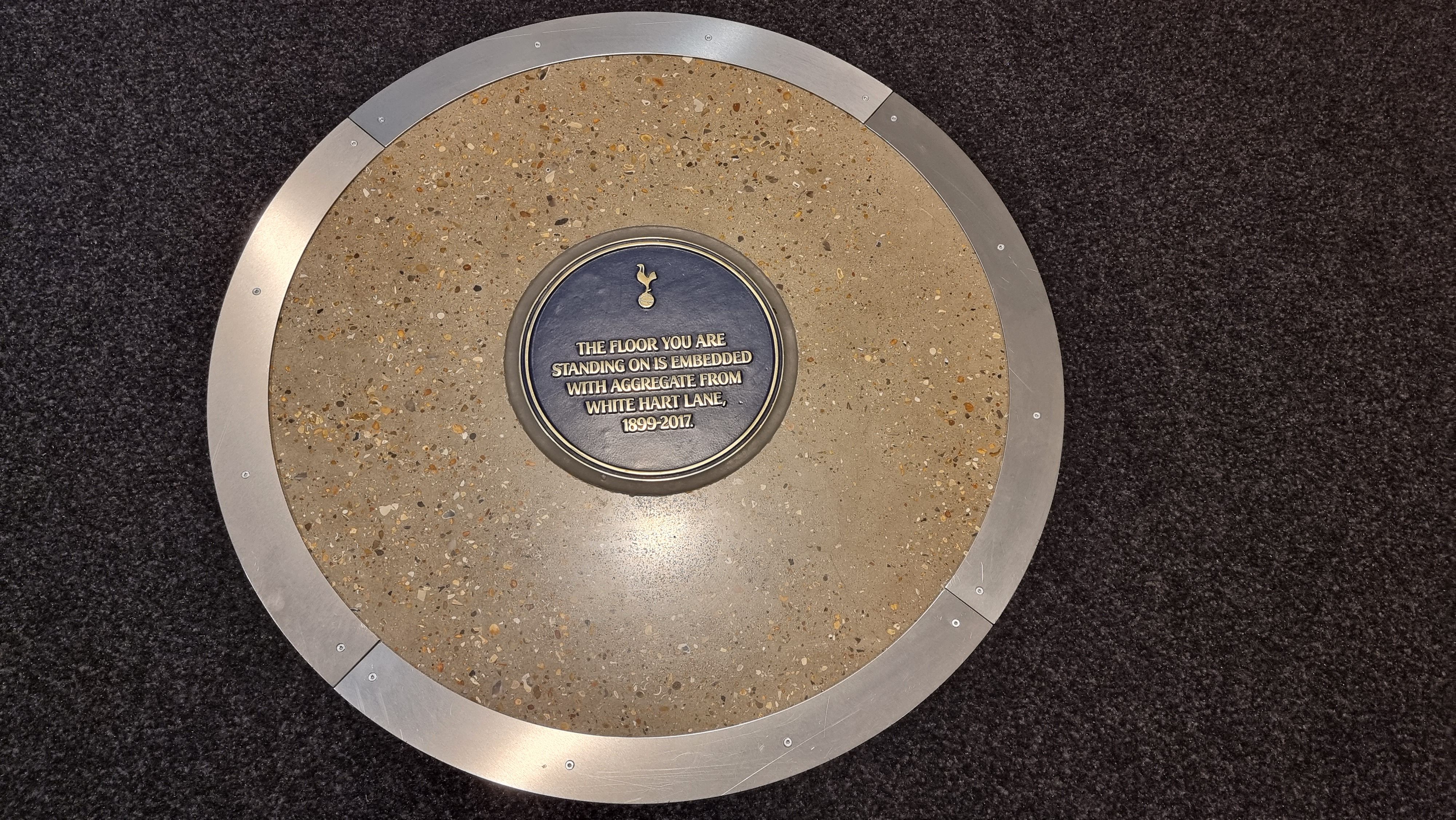
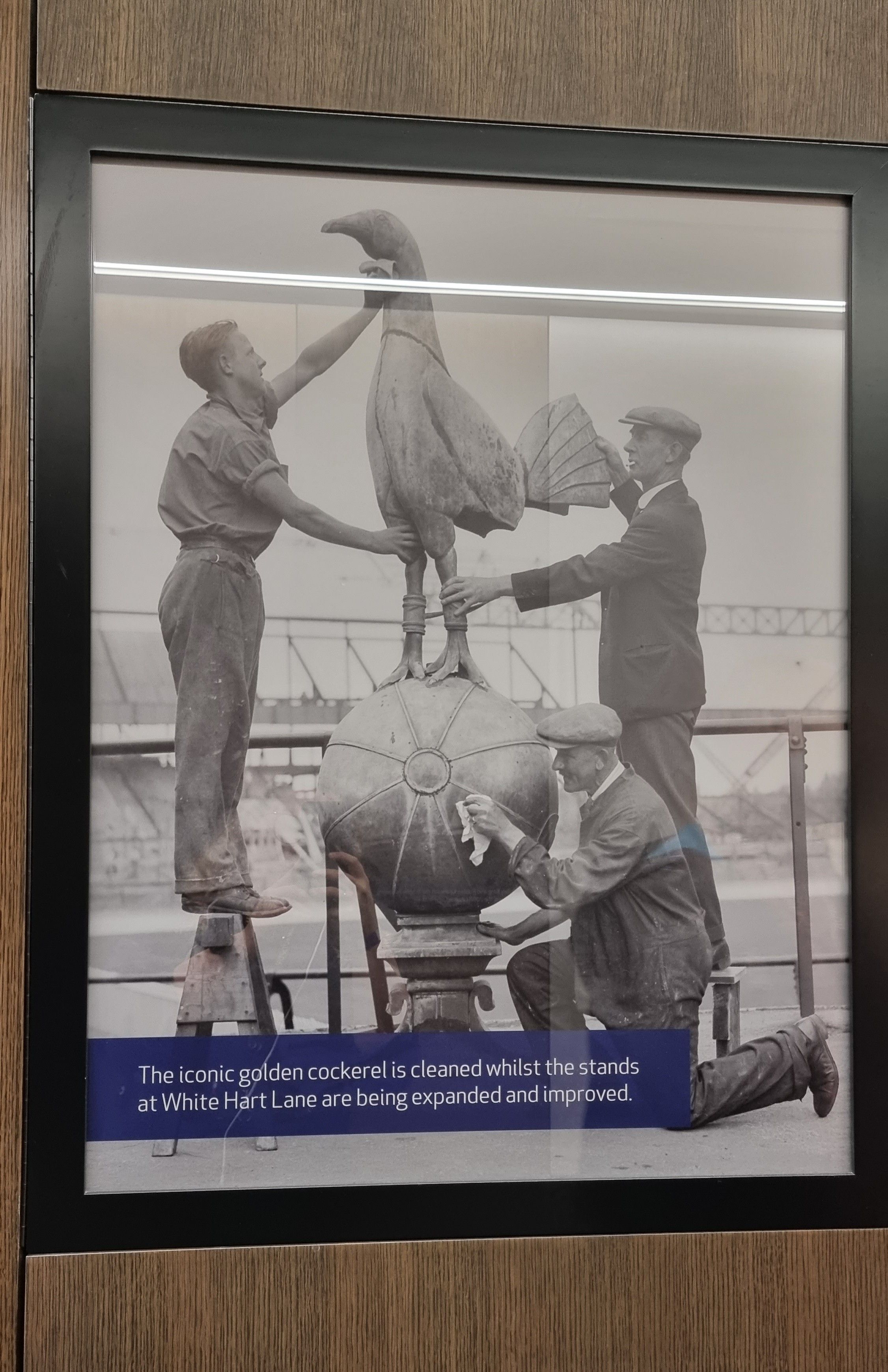
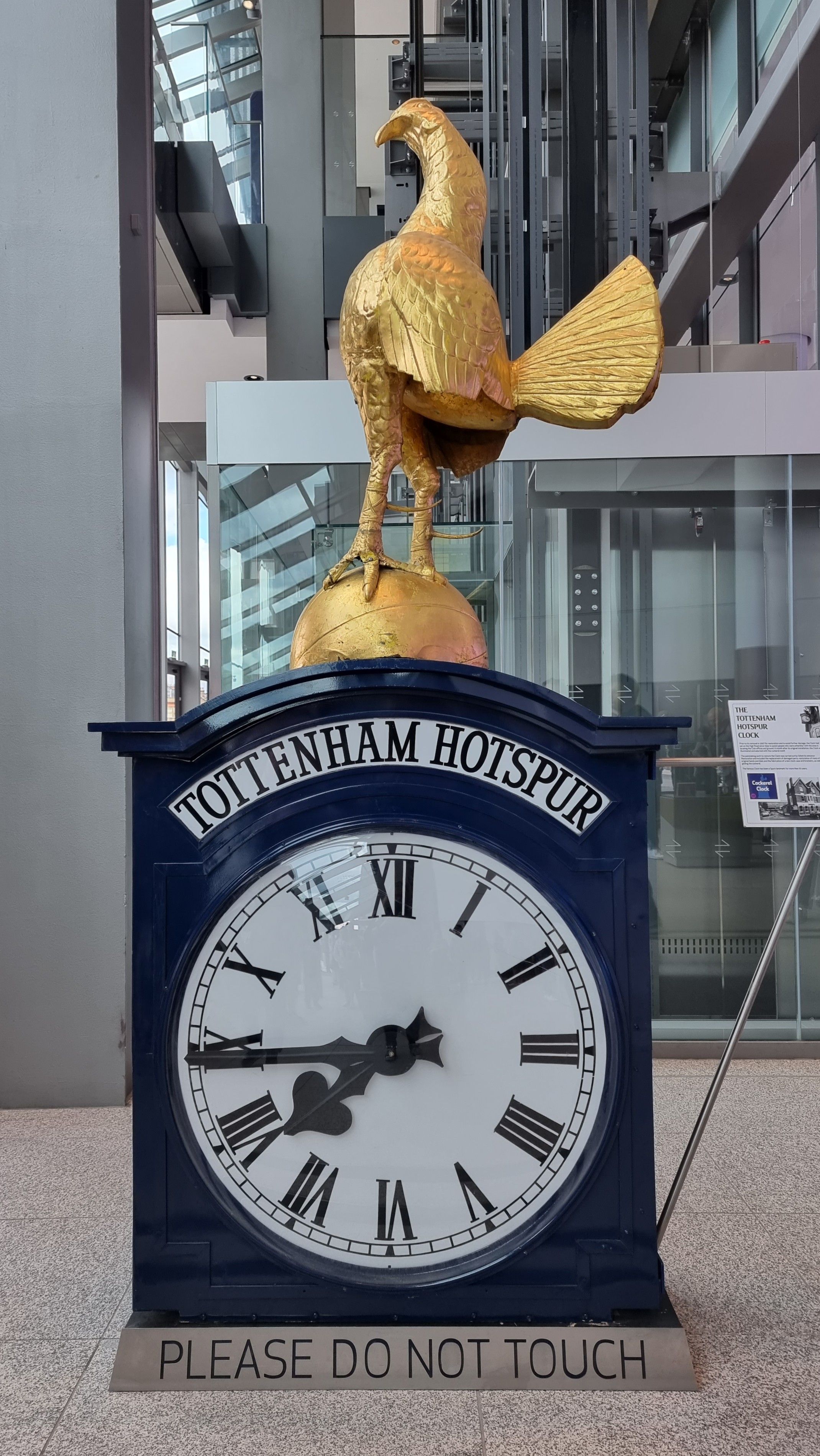
For such a new stadium, Tottenham still make an effort to connect the building with the club’s identity. The cockerel appears throughout the stadium, while different displays reference the club’s history and football culture.
However, there is no separate museum as part of the standard stadium experience. Instead, the tour begins in an area where a selection of trophies and memorabilia is displayed, giving visitors a short introduction to Tottenham’s past before moving into the more modern sections.
The history is there, but it is not the dominant part of the experience. Compared with the Emirates, my impression was that Tottenham Hotspur Stadium speaks much more loudly about the club’s present and future than its past.
7. What I liked most
One of the best decisions in the whole tour is the way it is structured. It starts in the trophy area with a guide, so you still get the human element at the beginning. You can listen to the introduction, ask questions and pick up some extra context before moving on.
After that, however, you are largely free to explore the stadium at your own pace. For me, that works really well. There is no feeling of constantly watching the clock or being moved from one room to another before you are ready. You can spend more time in the dressing room, take photos, go back to something you missed and simply experience the stadium without pressure.
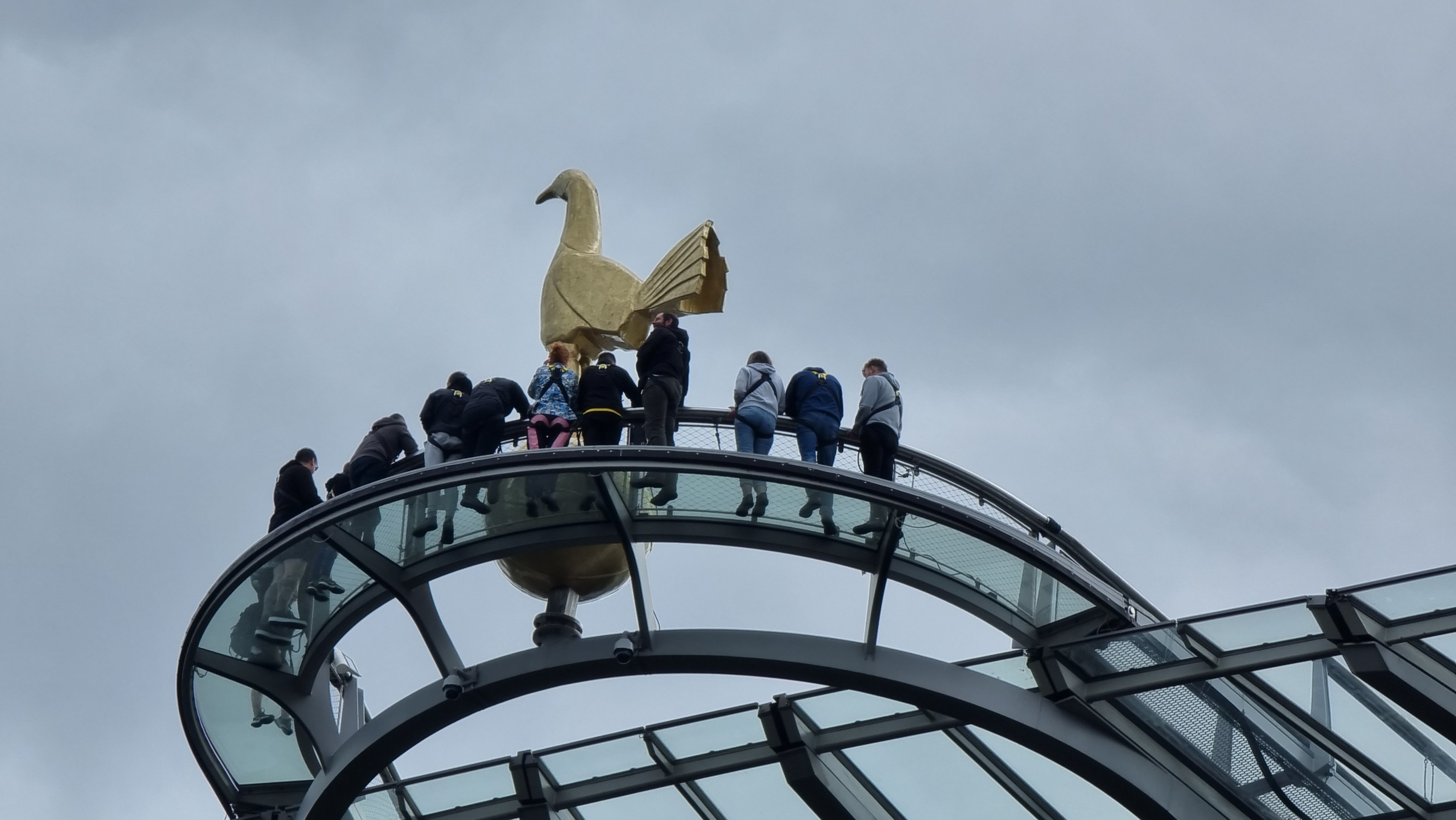
There is also another attraction available separately from the standard tour: the chance to go up onto the roof and walk close to the giant cockerel above the stadium. It is another example of Tottenham trying to turn the stadium itself into an attraction, not just a place where matches are played.
8. What could be better
The biggest thing missing for me is a stronger presentation of Tottenham’s history.
Spurs may not have the same trophy haul as Arsenal or Manchester United, but this is still a club with two English league titles, four major European trophies, a place among the modern Big Six and more than a century of traditions, players and important moments behind it.
And yet, compared with how strongly the stadium celebrates modernity, technology and commercial ambition, the historical side feels underexposed.
There are trophies and memorabilia on display but mostly in designated areas. For a club with this kind of history, I would expect something more permanent and ambitious.
A dedicated museum could make a huge difference, especially if it went beyond traditional glass cabinets and used interactive exhibits, multimedia and recreated historical spaces. Clubs such as Atlético Madrid, Borussia Dortmund or Rangers show how a museum can become an attraction in its own right.
That is probably the biggest missed opportunity at Tottenham Hotspur Stadium. The club found space for one of Europe’s largest club shops, an F1 attraction and extensive hospitality areas. A proper museum celebrating Tottenham’s history would fit naturally alongside them.
9. Groundhopper verdict
Accessibility: 8.5/10
Stadium exterior: 7/10
Historical identity: 7/10
Tour experience: 9/10
Museum / historical exhibition: 6/10
Final verdict: 7.5/10
What I appreciate about Tottenham Hotspur Stadium is that the club is clearly not afraid of modern football. And there is nothing wrong with that.
Dedicated American football infrastructure, concerts, an F1 experience or the chance to walk close to the giant cockerel on the roof are not things you see on a normal stadium tour.
The problem is that while Tottenham are very good at showing where the club wants to go, they are much less effective at showing where it came from.
The surroundings feel more like a modern, almost futuristic entertainment complex than the home of a football club with more than a century of history. Even West Ham, despite also playing in a modern stadium, manages to make its football identity and history more visible around the ground.
That is why the absence of a proper museum feels like a significant omission. Modernity and tradition do not have to compete with each other. The best stadium experiences usually manage to combine both.
The tour itself, however, is excellent. You start with a guide, can ask questions and get some context, but afterwards you are free to explore at your own pace. And the stadium itself is simply very well designed. Despite its size, visibility is excellent and the bowl still feels connected to the pitch.
It is also, of course, slightly bigger than the Emirates, a small North London detail that Tottenham supporters probably do not mind mentioning.
Overall, Tottenham Hotspur Stadium is one of the most impressive modern stadiums I have visited. I just wish the club’s past had as much space inside it as its future.