
If you hear Arsenal, you probably think of North London and the Emirates Stadium. And if someone asks about Arsenal’s old home, Highbury is usually the first place that comes to mind.
All of that is true. But Arsenal’s story actually began somewhere completely different.
It was 1886, in industrial England. Fourteen years had passed since the first official international football match between England and Scotland, and the game was rapidly growing in popularity, especially among working-class communities.
In Woolwich, south of the River Thames, a group of workers at the Royal Arsenal armaments complex decided to form their own football team. One of the driving forces behind the idea was David Danskin, a Scottish engineer and keen footballer. Among the other men involved in the club’s early days were Jack Humble and Fred Beardsley, a former Nottingham Forest player.
The new team was called Dial Square, a name taken directly from one of the workshops inside the Royal Arsenal complex, where several of its founders worked.
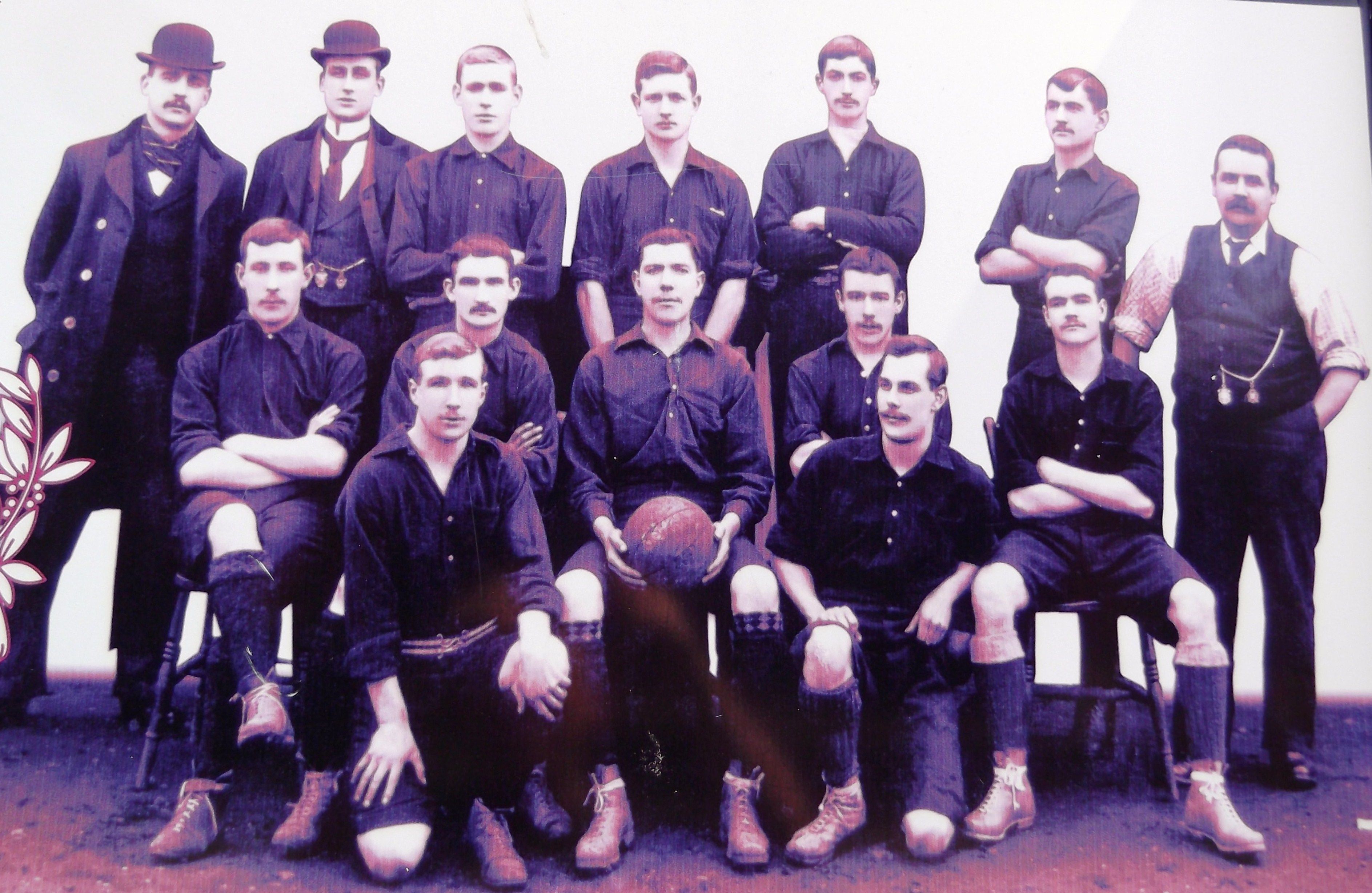
Their first match came on 11 December 1886. Dial Square travelled across the Thames to the Isle of Dogs to face Eastern Wanderers. For a team playing its first ever game, the result could hardly have been better. Dial Square won 6–0.
The enthusiasm generated by that first match helped convince the players that this could become something more permanent. Within weeks, the club adopted a new name: Royal Arsenal, linking the team more clearly with the vast armaments complex where its founders worked. It would not be the last change of name. Royal Arsenal would later become Woolwich Arsenal, before eventually dropping “Woolwich” altogether.
Long before Highbury, long before the Emirates, and long before Arsenal became synonymous with North London, its story began with a group of factory workers, a team named after their workshop, and a 6–0 victory on the other side of the Thames.
Woolwich was Arsenal’s birthplace, but it would not remain the club’s home forever. Less than three decades after the club was founded, Arsenal made one of the most important decisions in its history. In 1913, under the influence of chairman Henry Norris, the club left Woolwich and crossed the Thames for good, moving to Highbury in North London.
The move changed Arsenal’s identity, its future and eventually the football map of London itself. But why did Arsenal leave the place where it had been founded?