1. Getting there
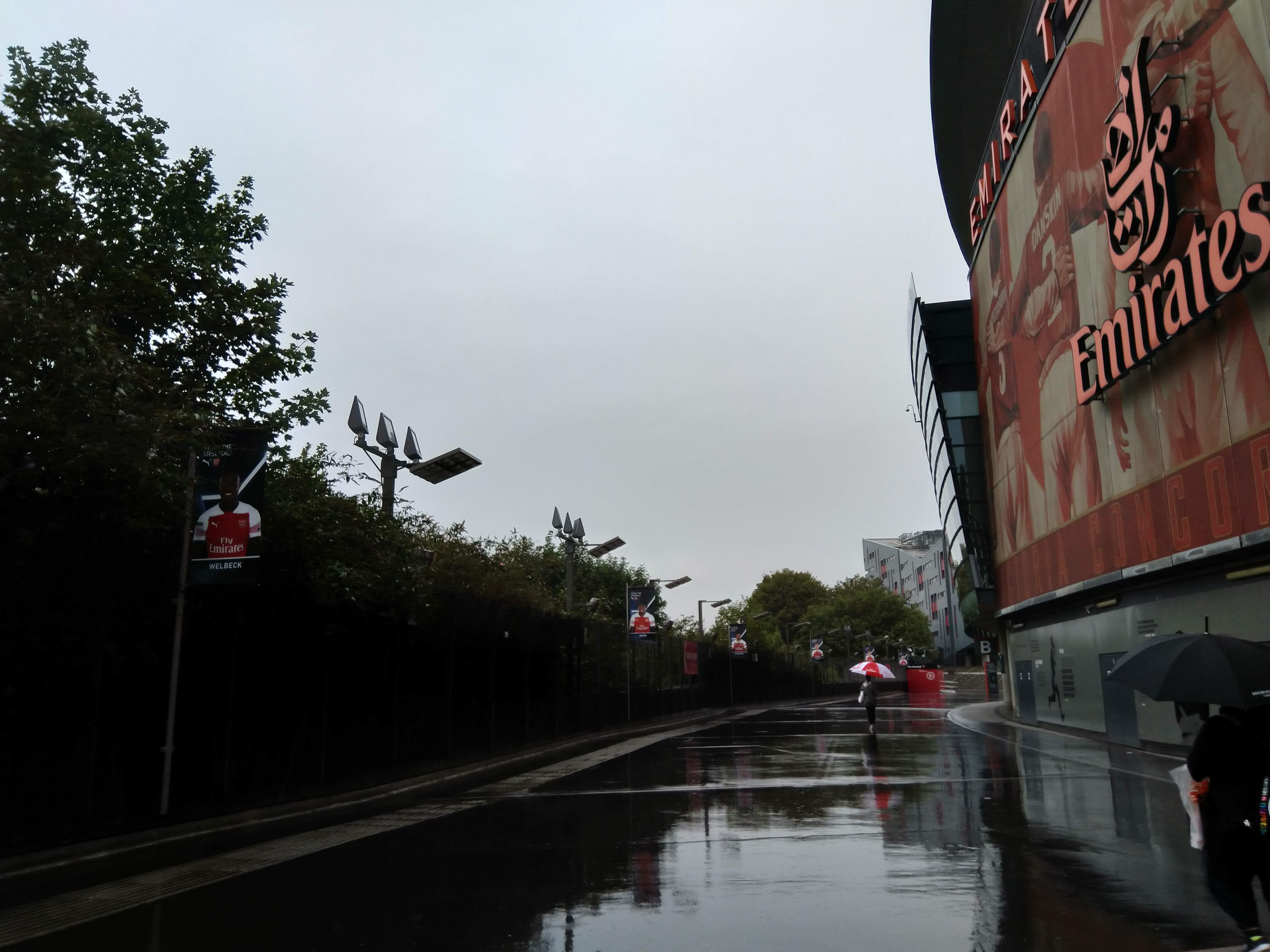
Getting to the Emirates was straightforward. I was travelling from East London and the journey was easy, even on a typically wet September day. The grey weather somehow suited the surroundings - very London, very football.
2. First impression outside
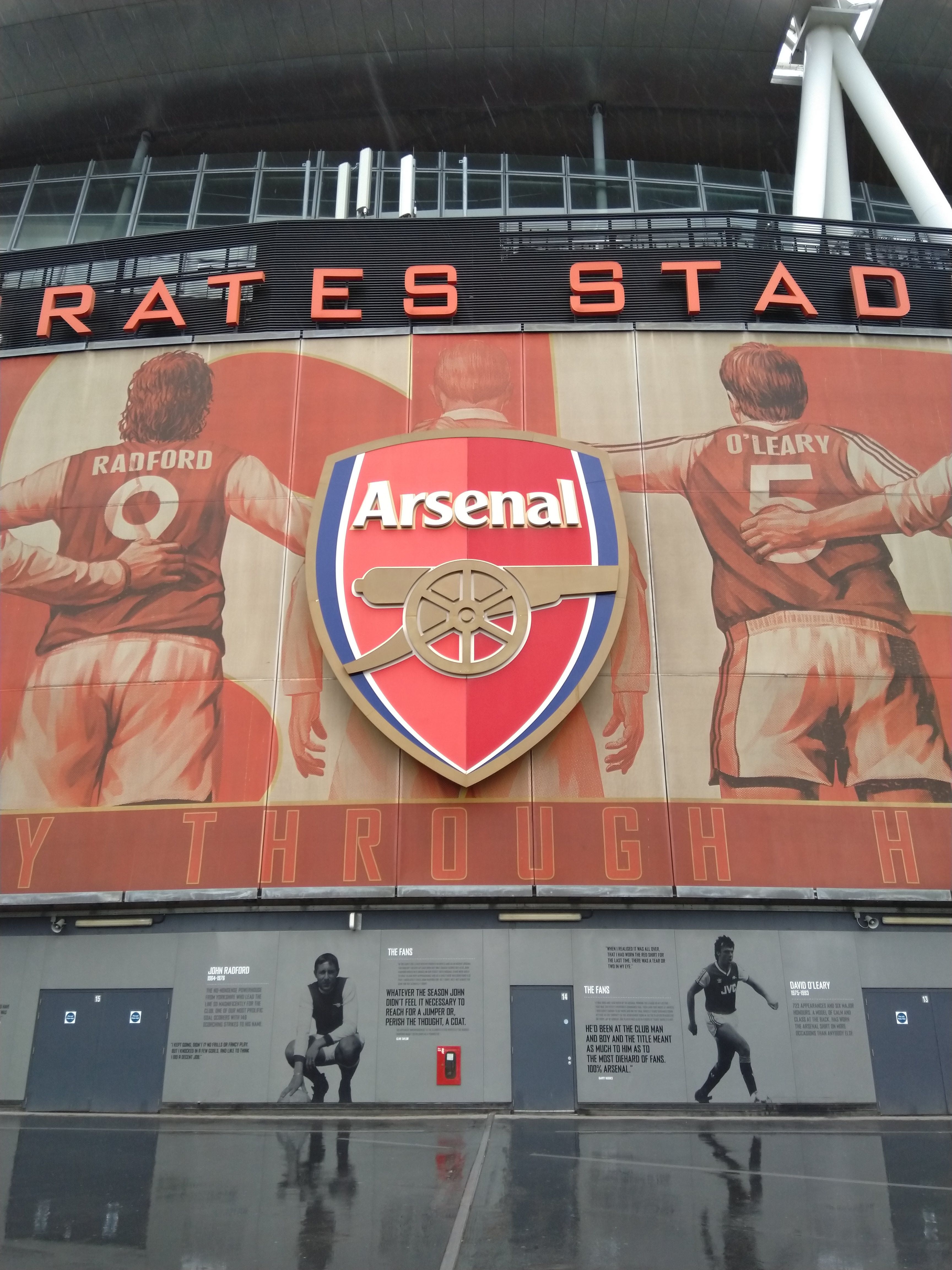
What I remember particularly well was the exterior of the stadium. The facade already carried a strong Arsenal identity, with club imagery and references built into the surroundings rather than leaving the Emirates looking like a completely anonymous modern arena. By the time of my visit in 2018, the statues of Herbert Chapman and Tony Adams had already been in place for several years, having been unveiled in 2011 as part of Arsenal’s 125th anniversary celebrations. They helped give the stadium surroundings a stronger connection to the club’s history and made the approach to the Emirates feel much more distinctly Arsenal.
3. Inside the stadium
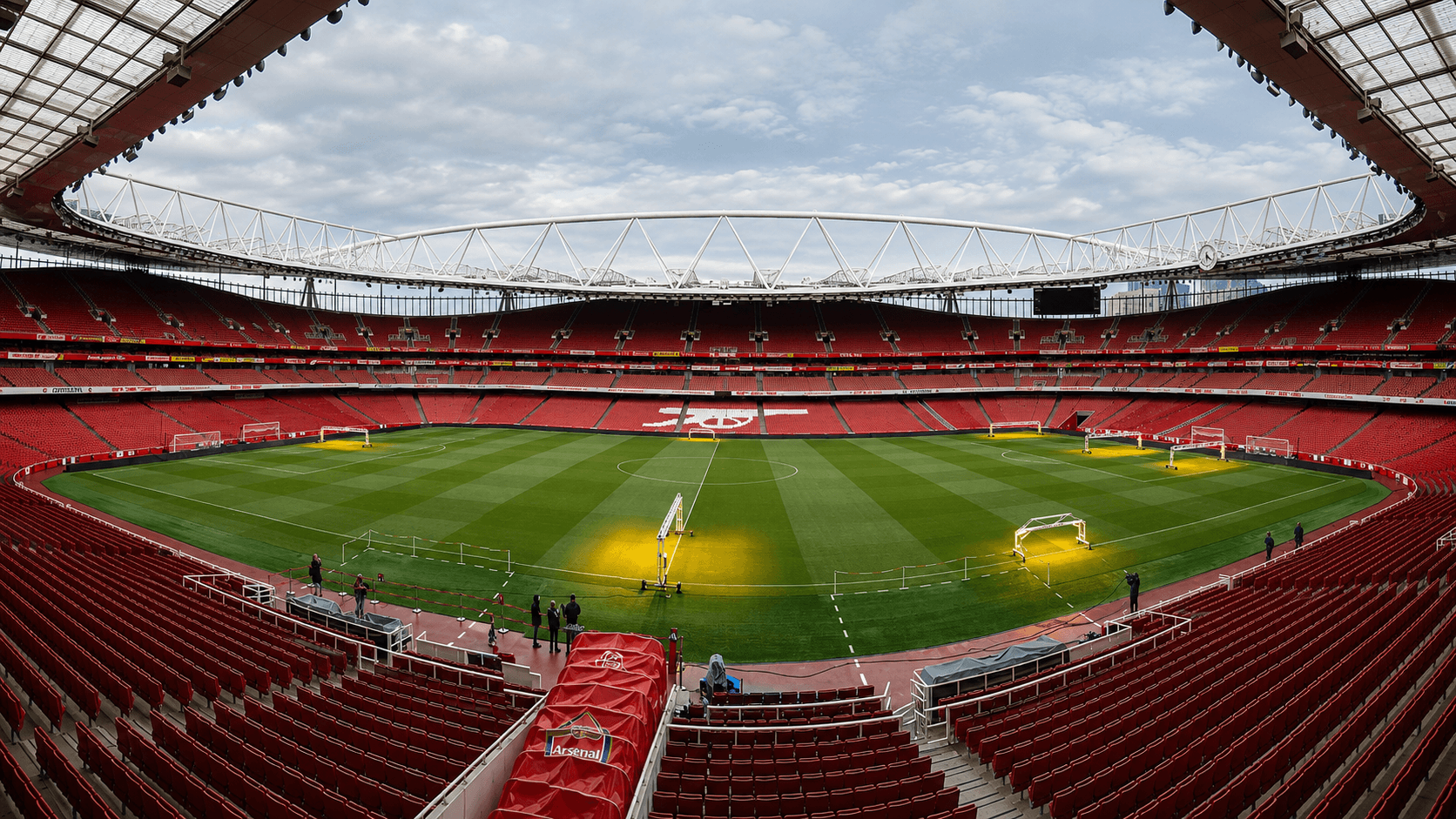
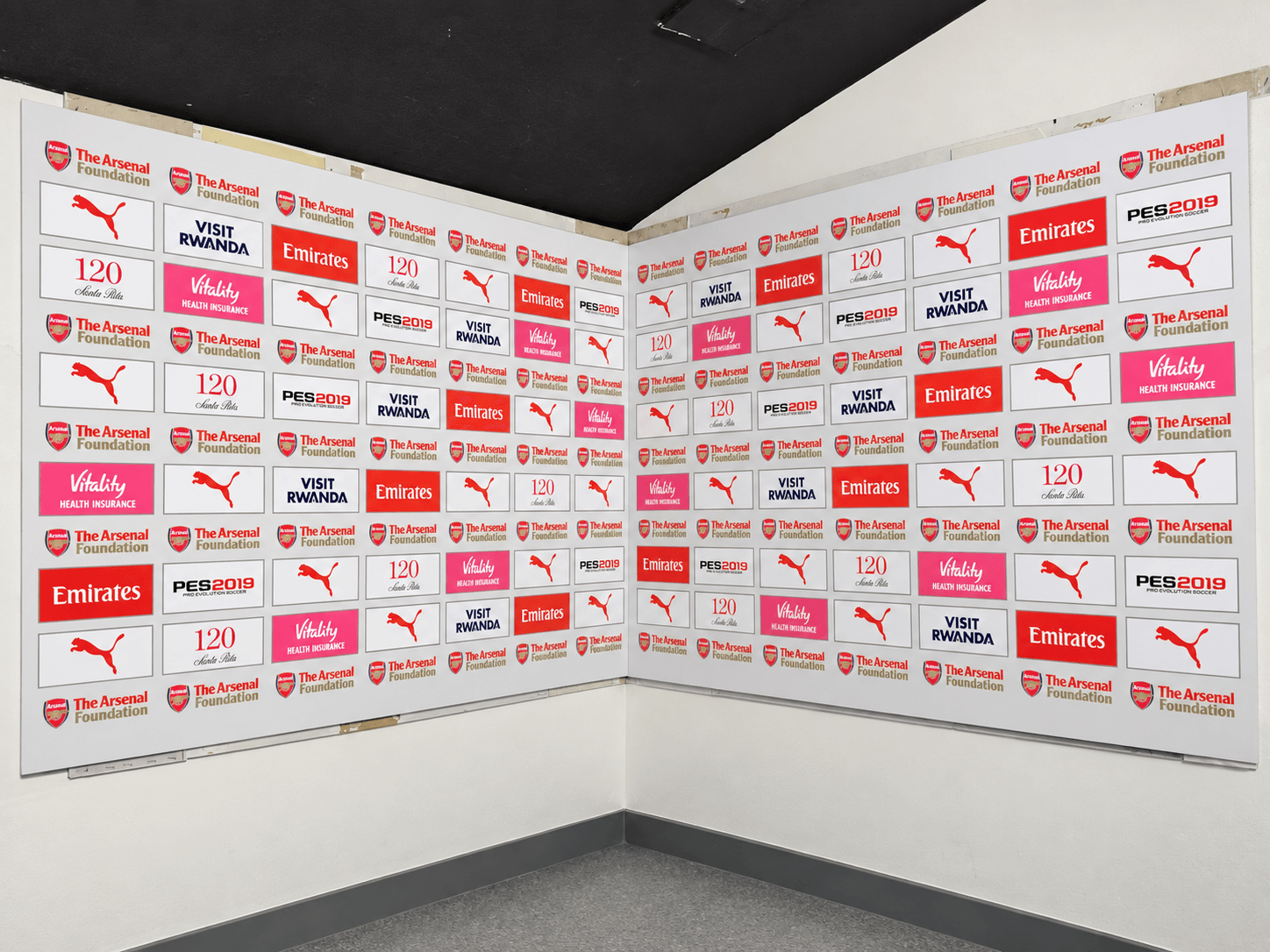
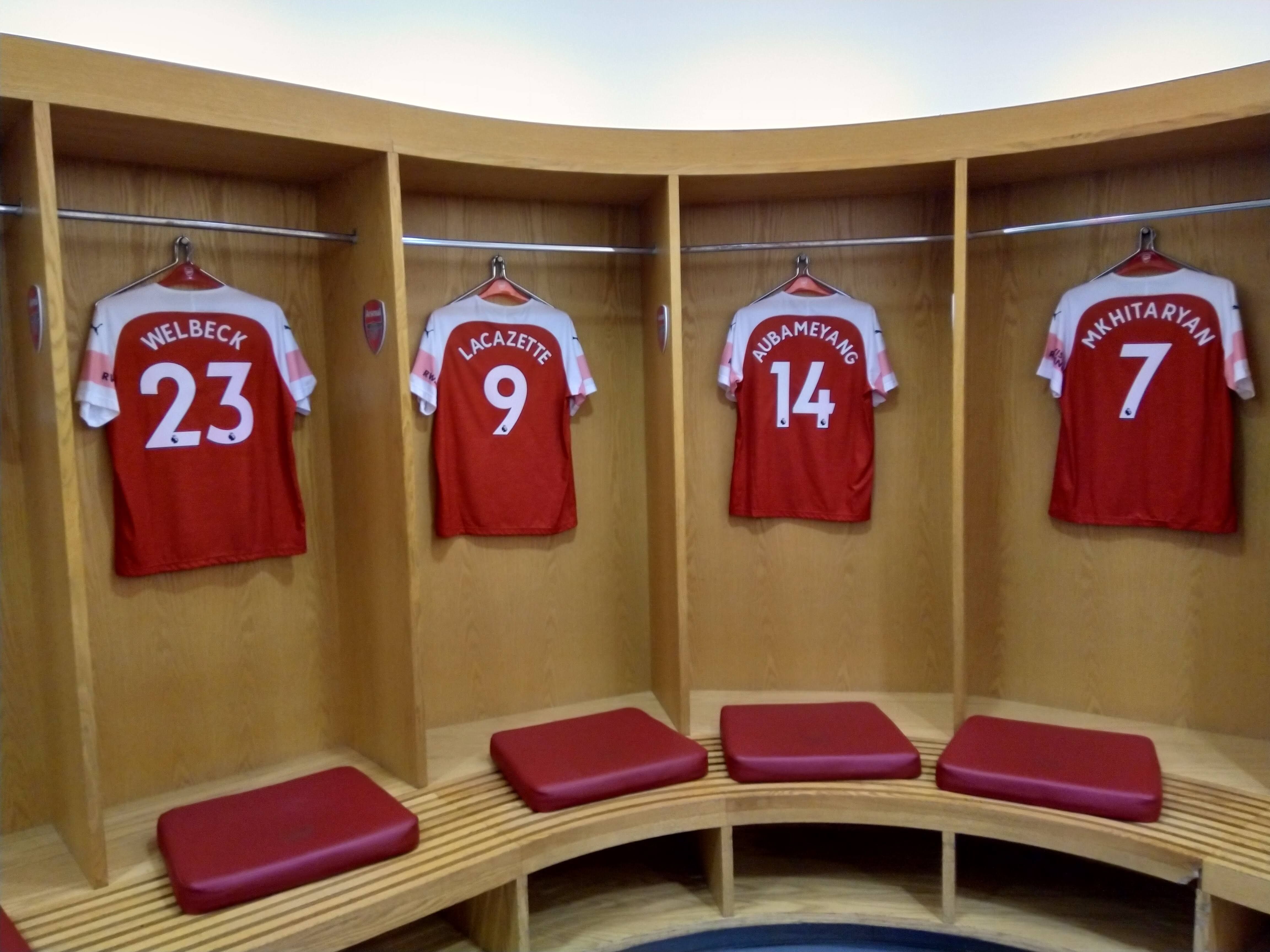
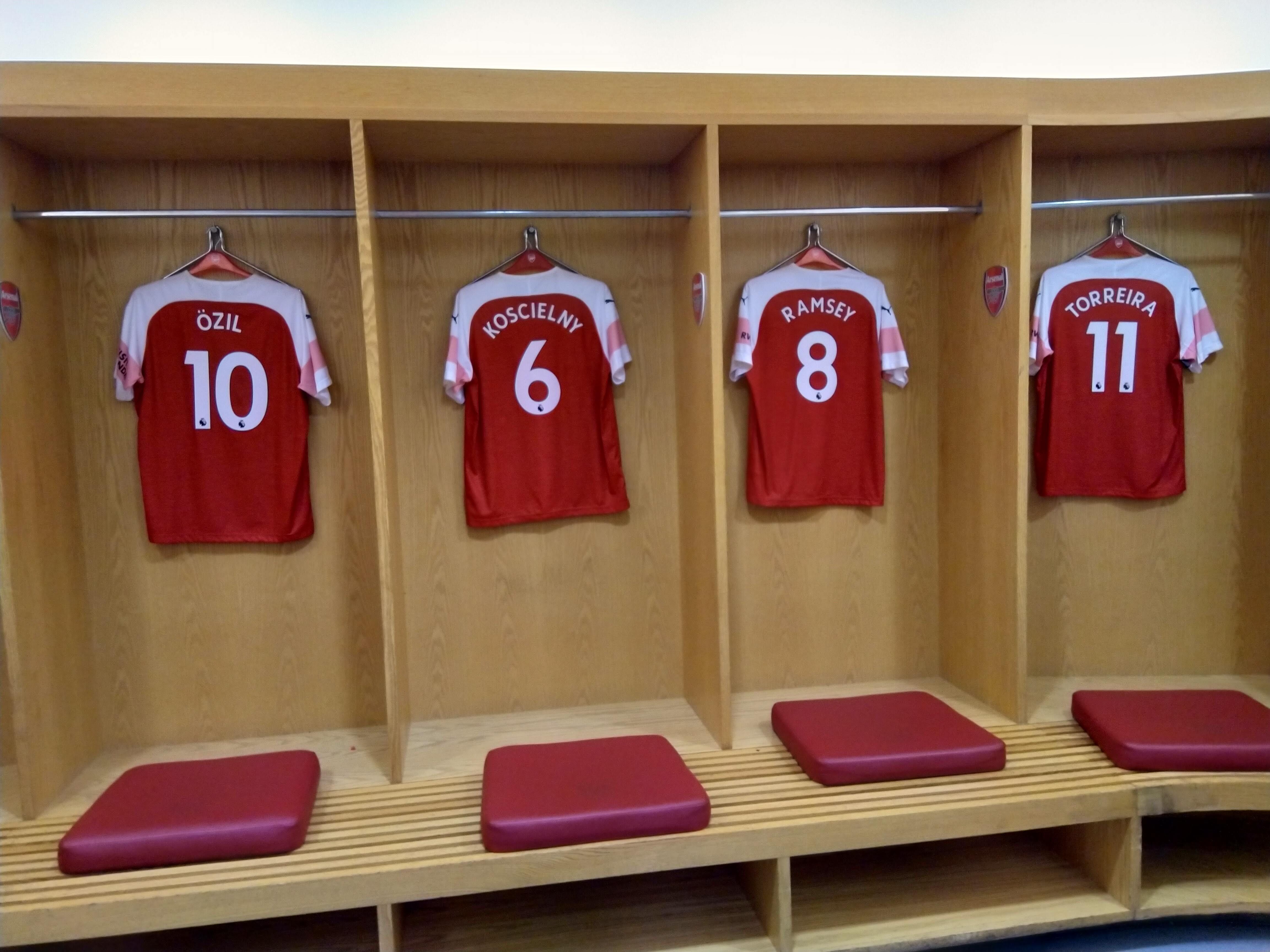
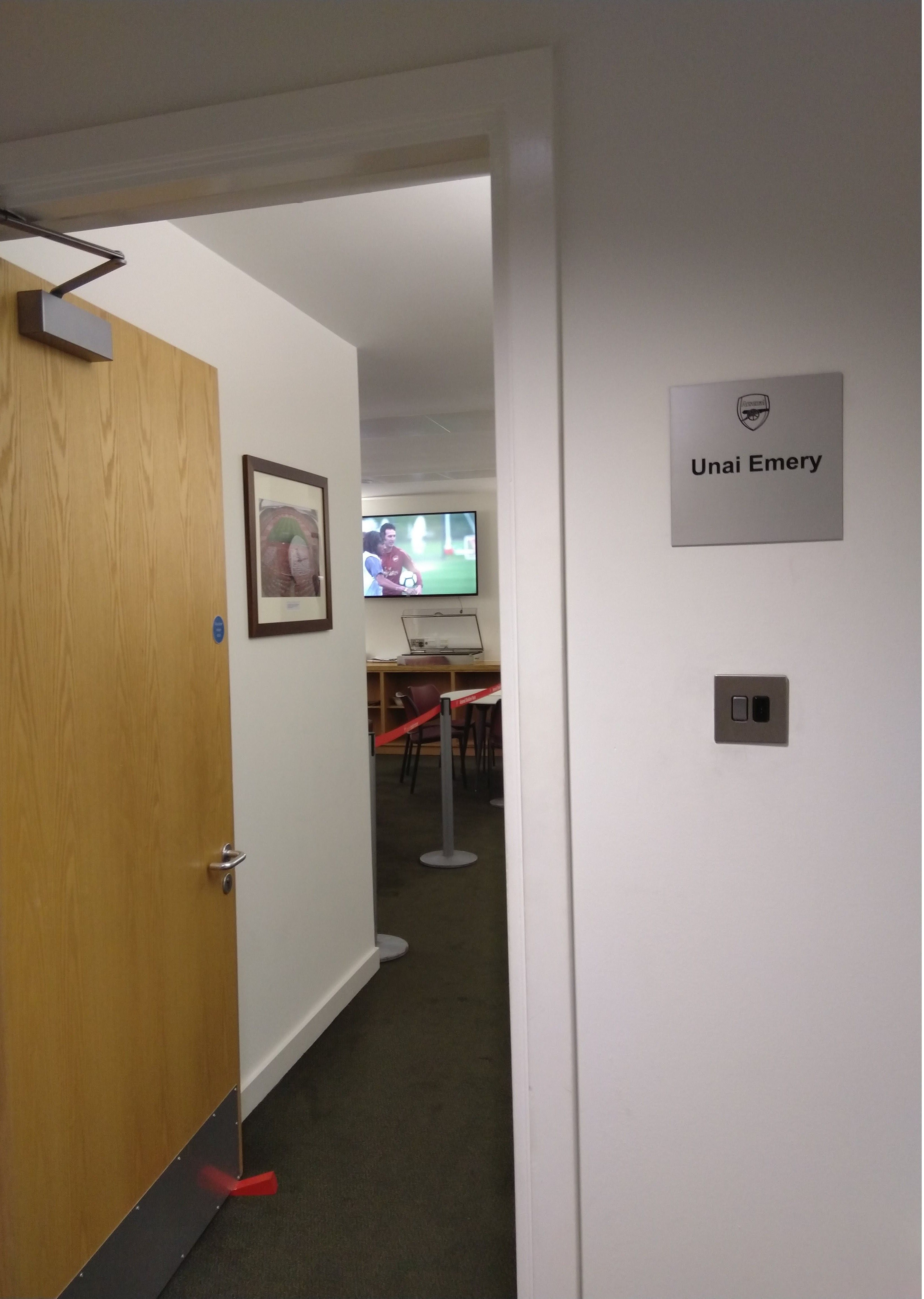
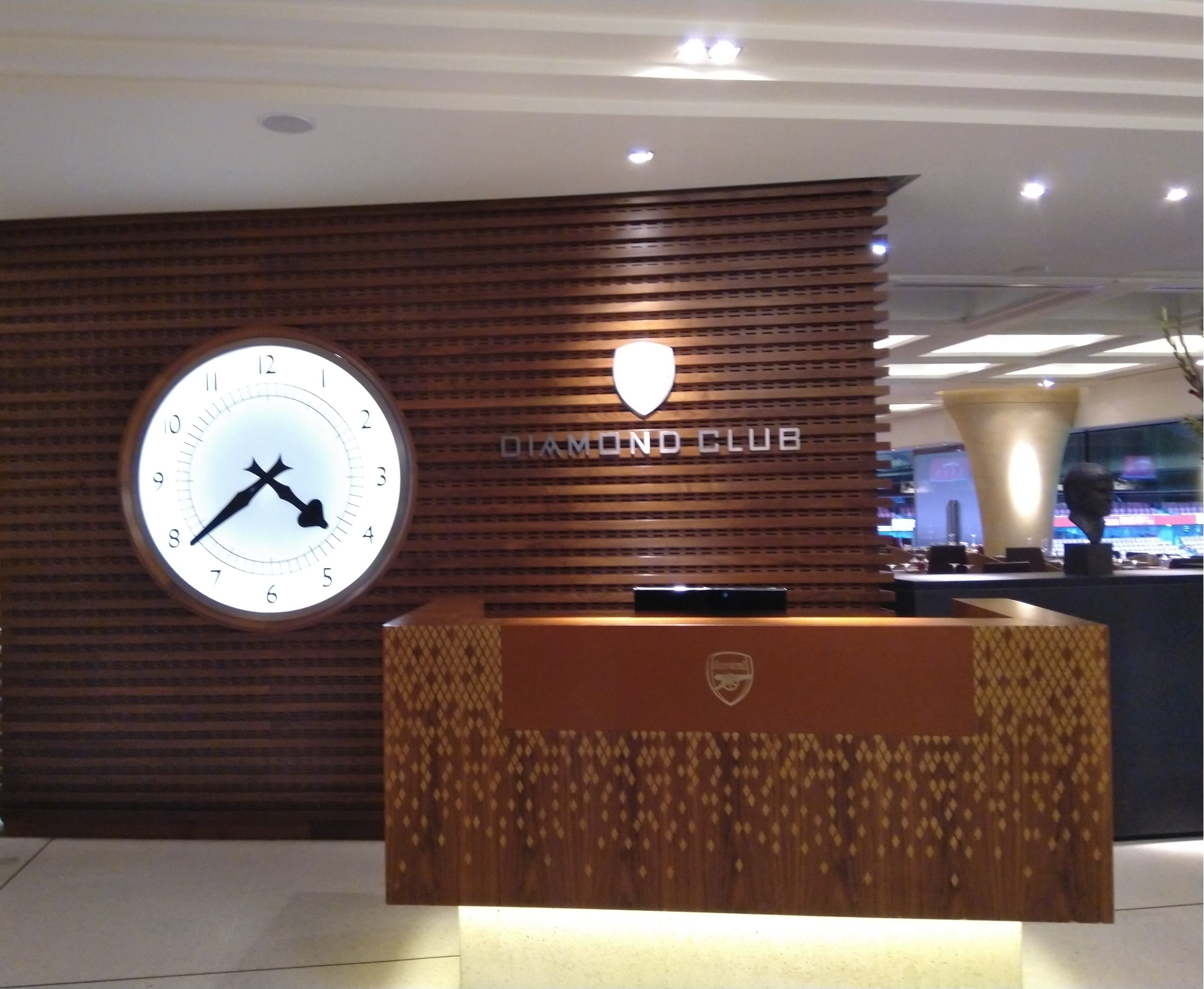
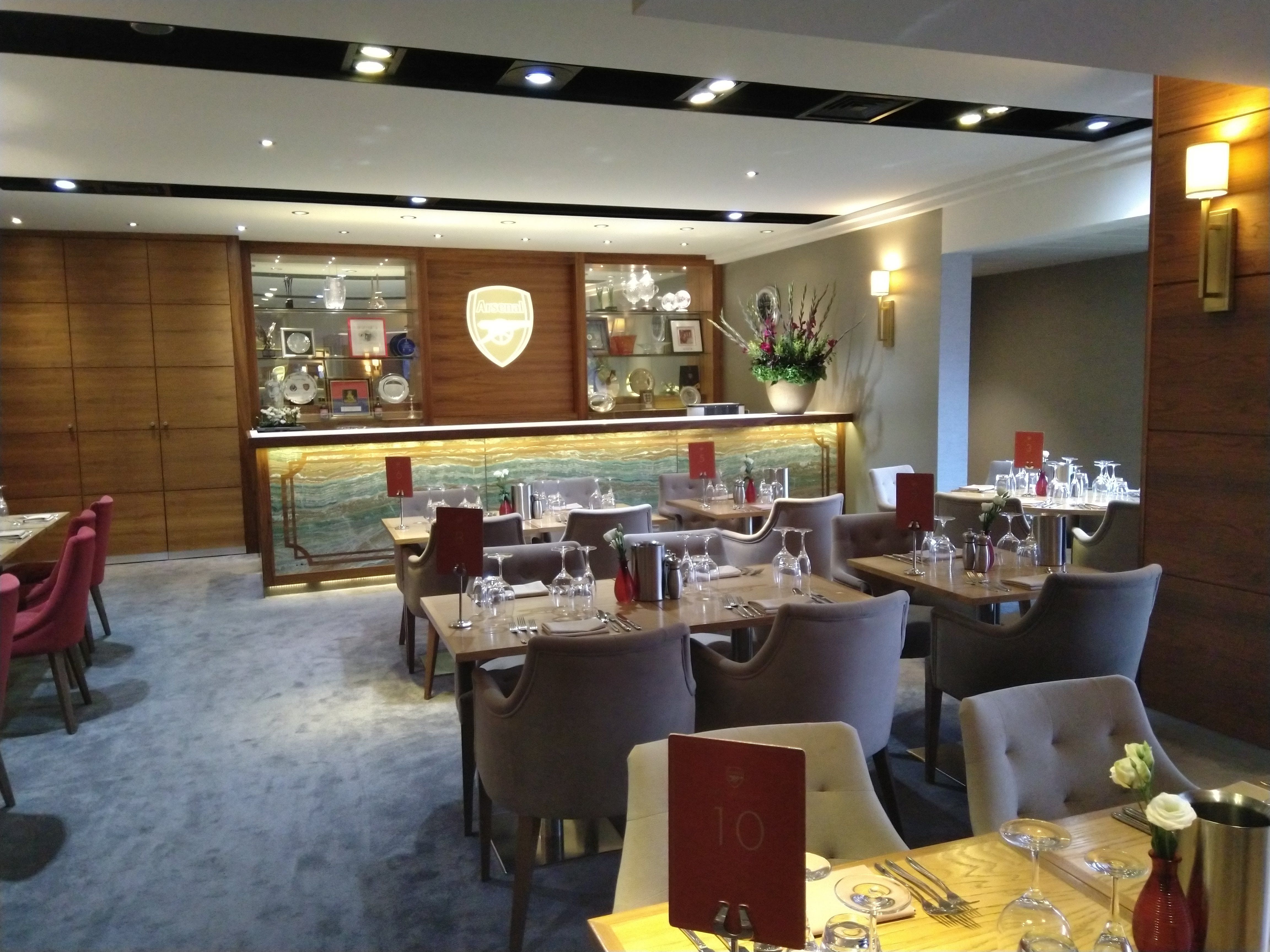
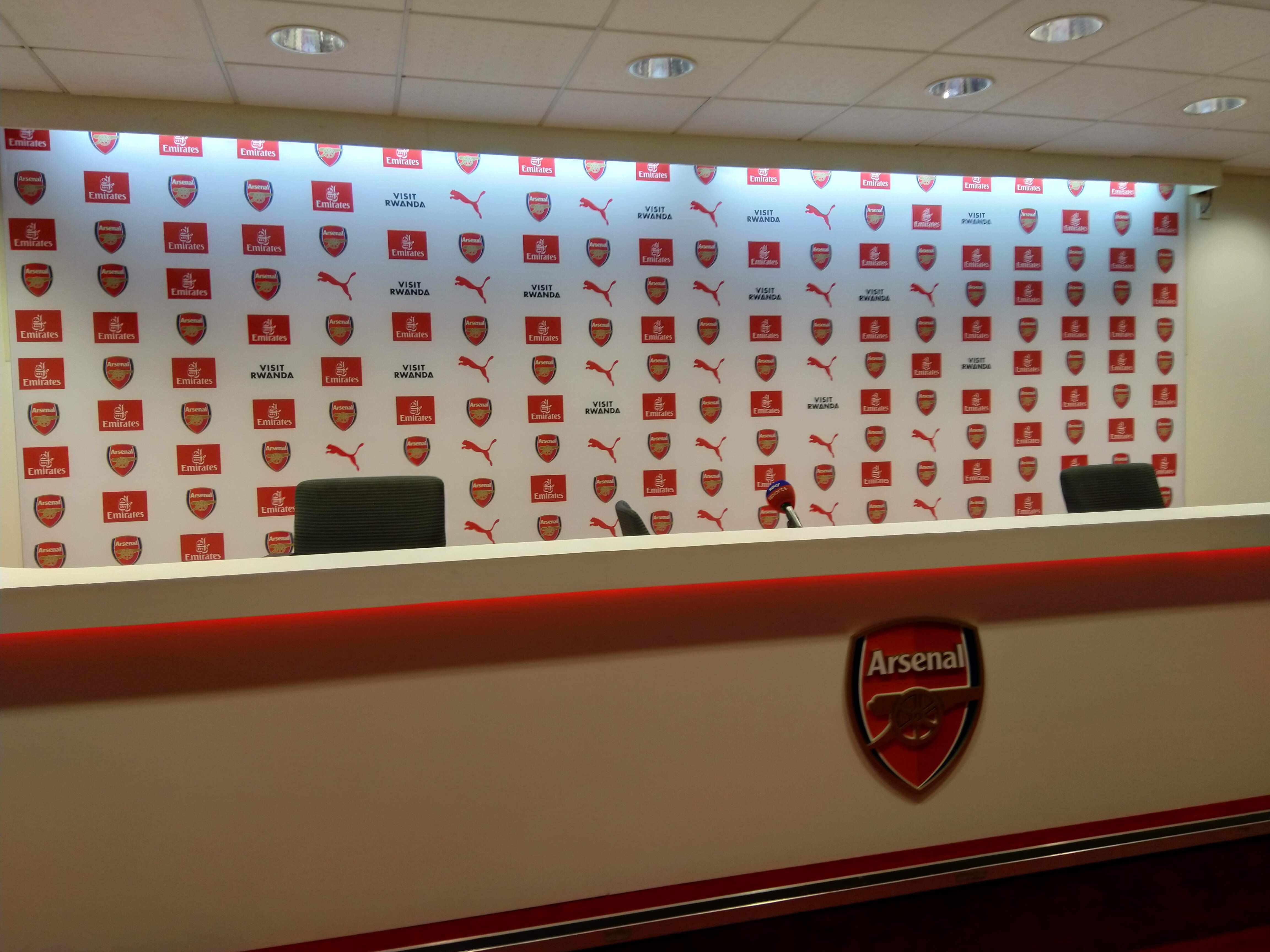
Inside, the tour covered most of the spaces you would expect from a modern Premier League stadium: stands, the dressing room, the manager’s office (at the time belonging to Unai Emery), VIP areas and the interview zone. One small detail I really liked was the chance to sit in the manager’s seat in the press conference room. It sounds minor but not every stadium tour allows that kind of access, especially without charging extra for it (Cheers, ManU).
4. History inside a modern stadium
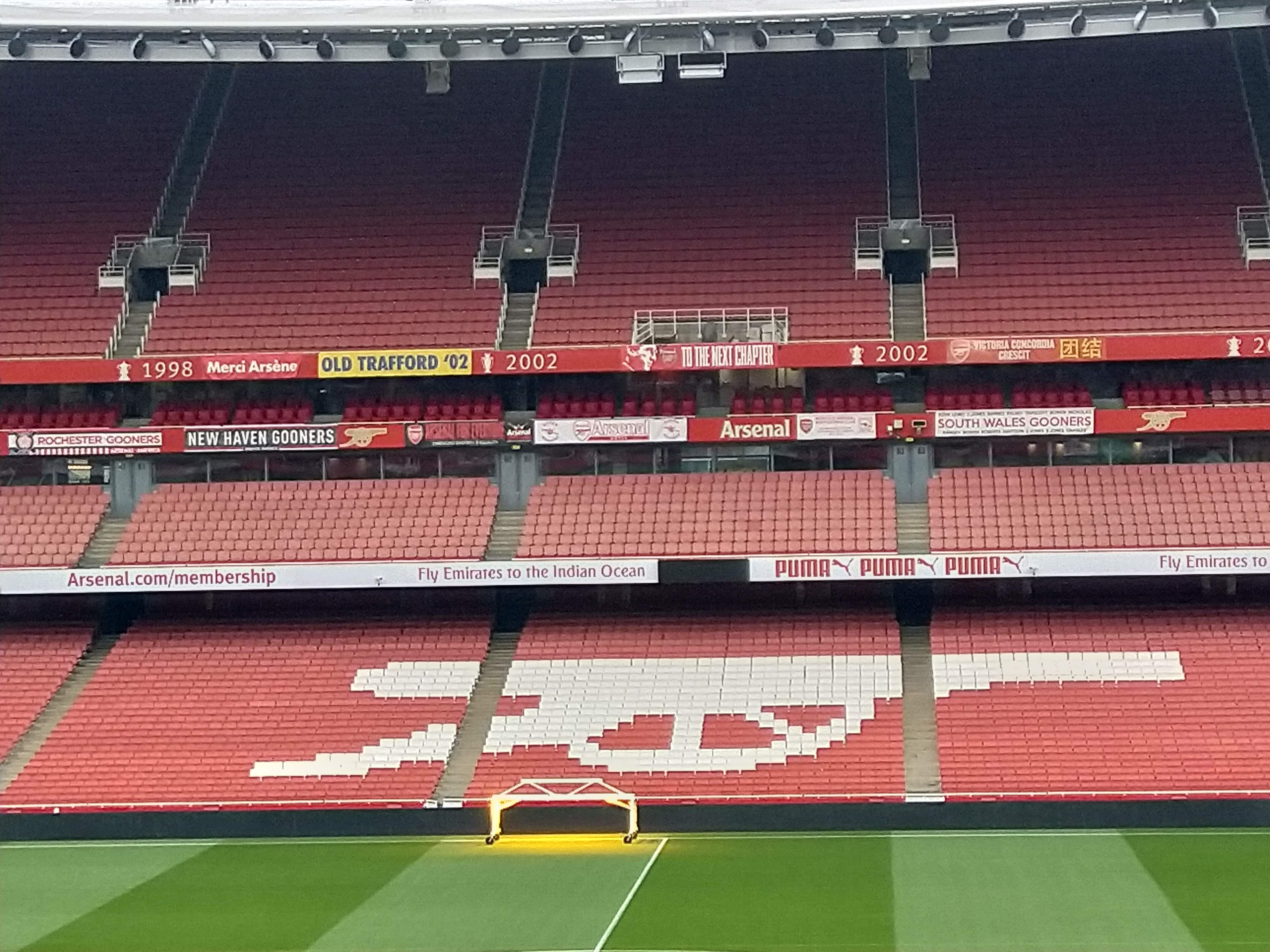
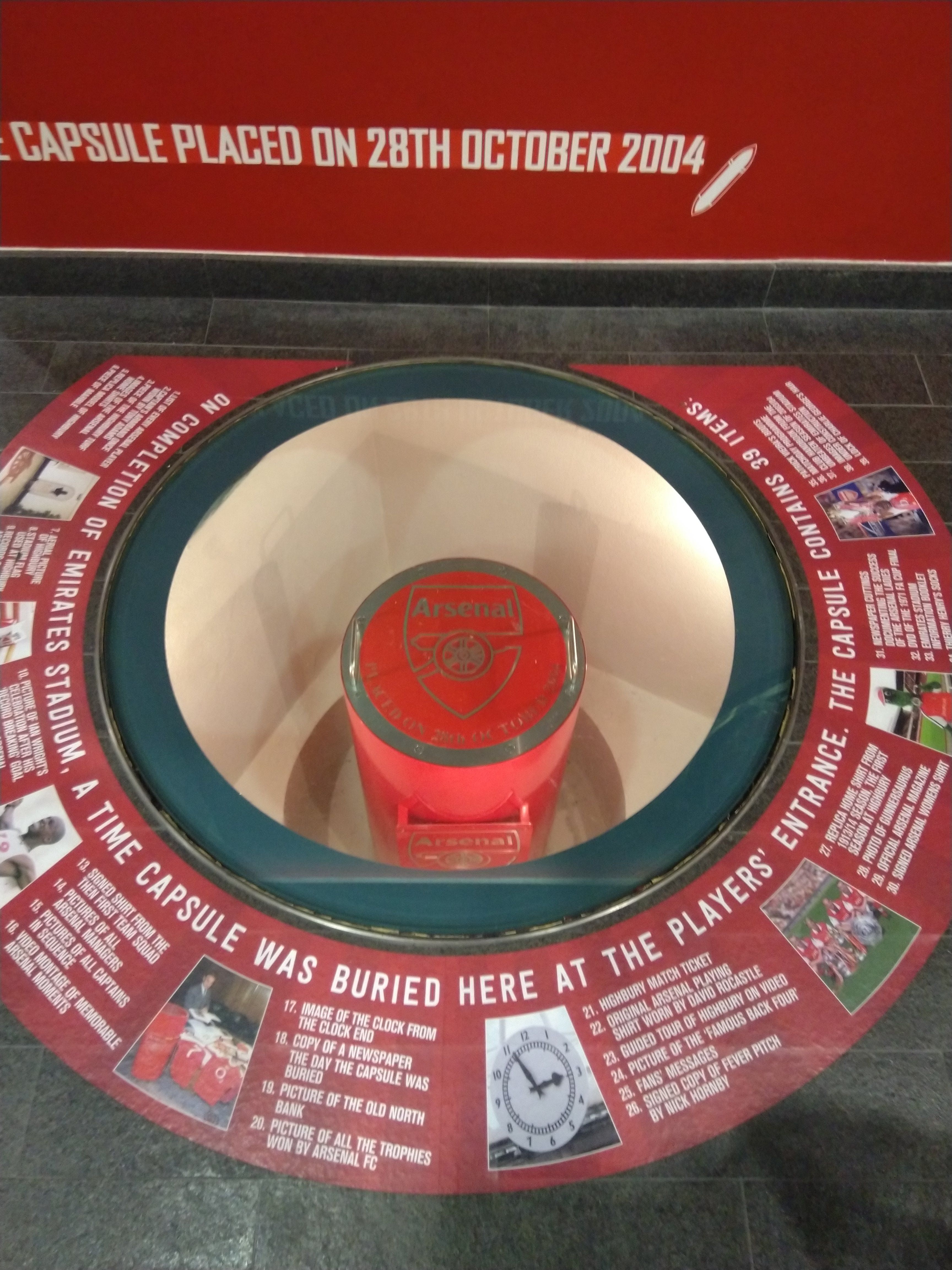
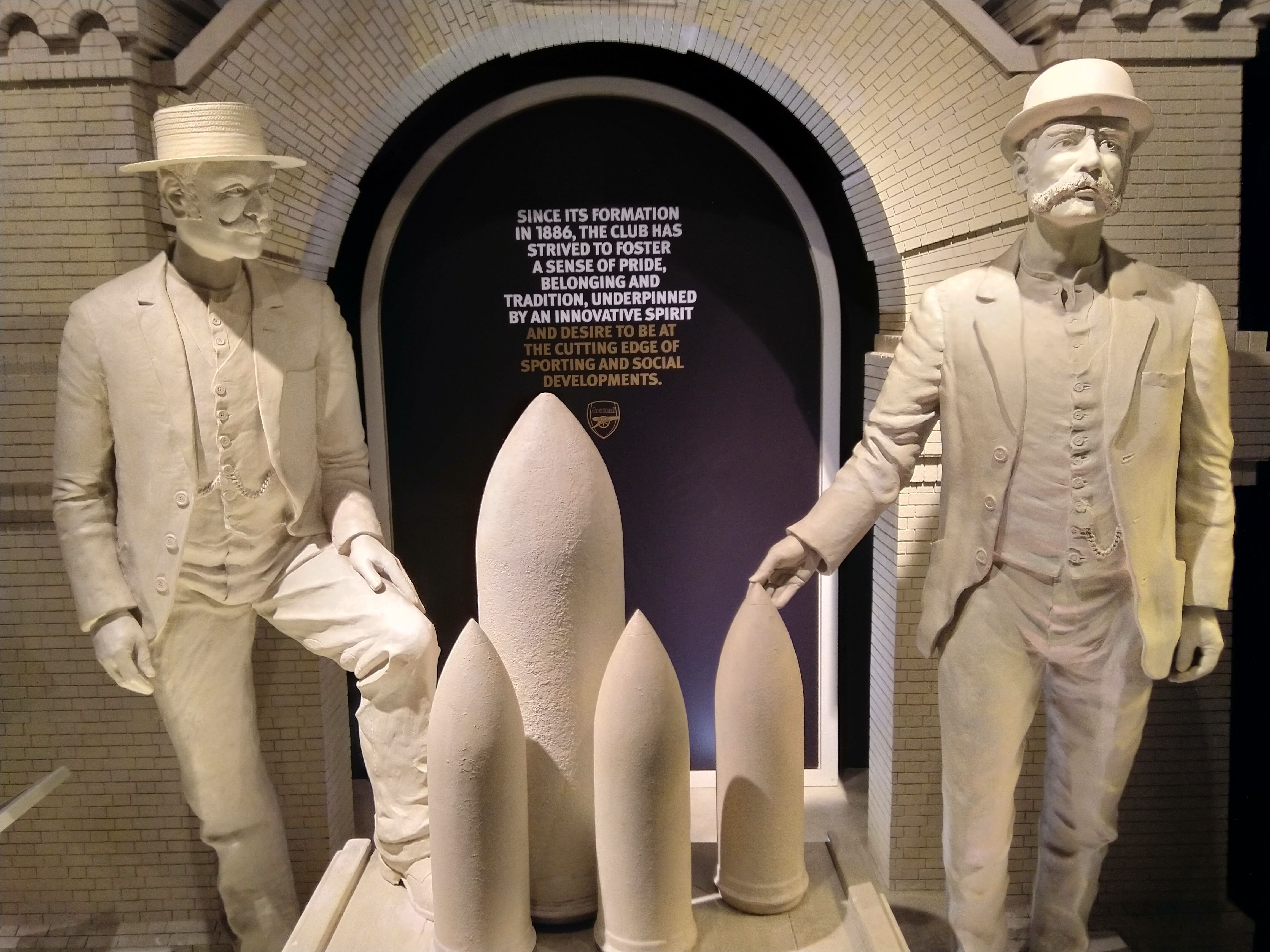
One of the stronger parts of the tour was the amount of historical material built into the experience. The Emirates is obviously a modern stadium but Arsenal make a clear effort to connect it with Highbury and the club’s past. The detail I remember best was the Highbury time capsule. It was exactly the kind of thing that stops a stadium tour from becoming just a walk through changing rooms and executive areas.
5. What disappointed me
The biggest downside for me was the format of the tour itself. Instead of being guided by a person, visitors received an audio headset. It is convenient and probably makes the tour easier to organise but it also takes something away from the experience.
A good guide often adds the best part of a stadium tour: stories that are not written on plaques, small anecdotes, answers to questions and details you would never think to look for yourself. With an audio guide, you lose much of that spontaneity.
6. The museum
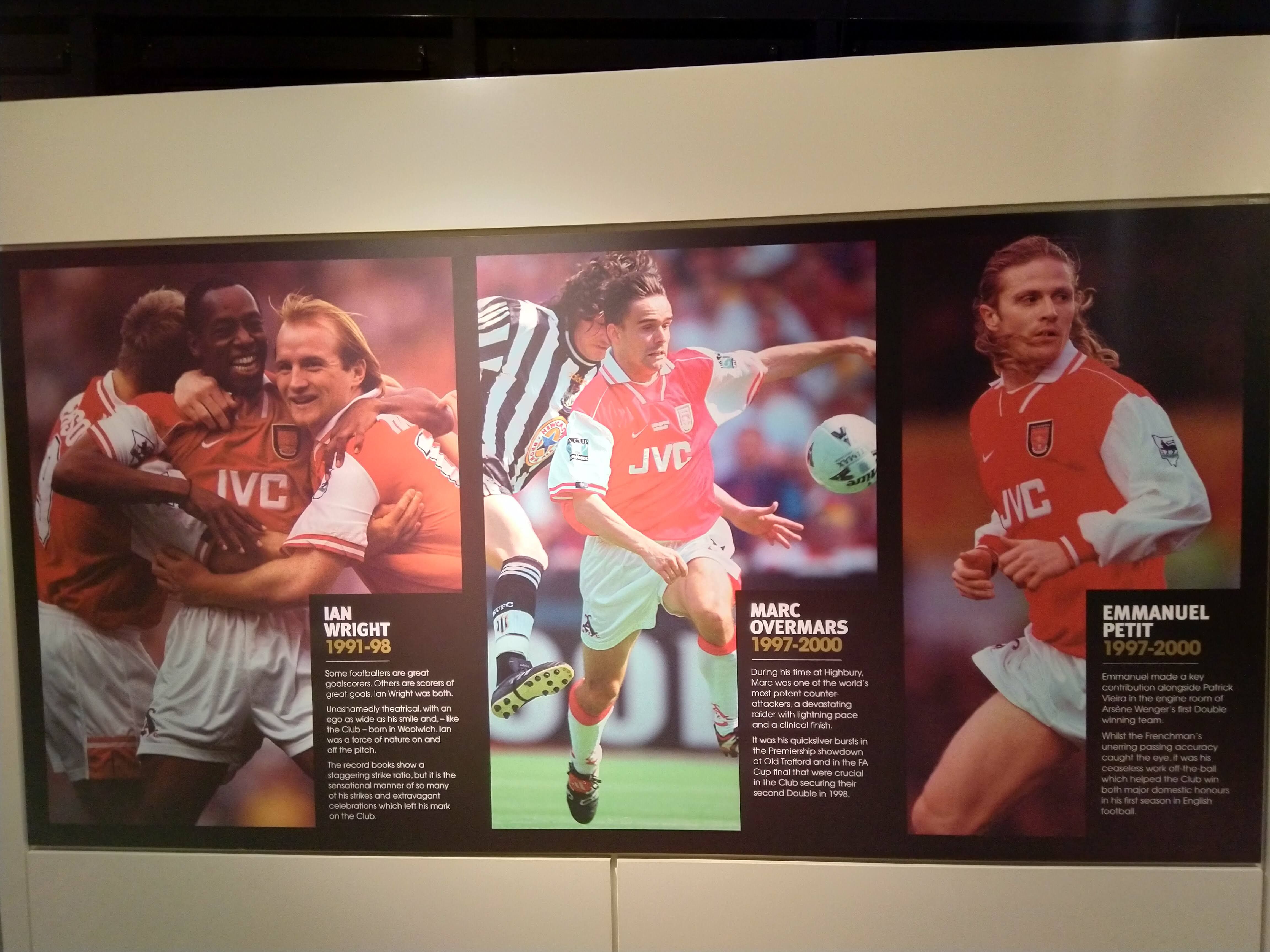
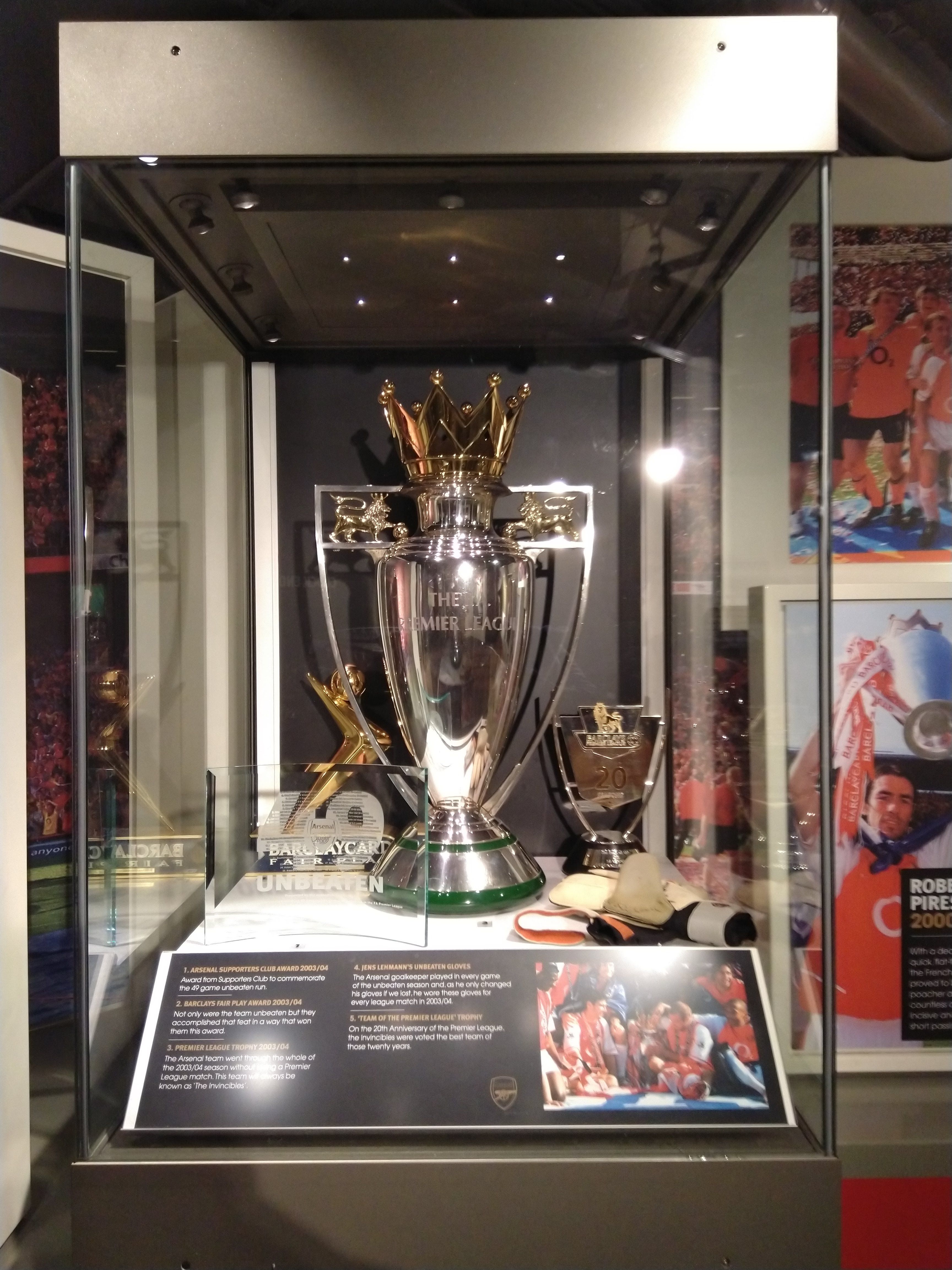
The Arsenal Museum was perfectly fine but it did not leave the same impression on me as the stadium itself. There was plenty to see and enough material to give context to the club’s history but if I am being fair, it was more “good” than unforgettable.
8. Groundhopper verdict
Accessibility: 9/10
Stadium exterior: 8.5/10
Historical identity: 8.5/10
Tour experience: 7/10
Museum: 7/10
Final verdict: 8/10
What stayed with me most after the visit was the way the Emirates keeps reminding you that Arsenal’s story did not begin in 2006. The Invincibles, Arsène Wenger, Herbert Chapman and Highbury are all there in some form, and that sense of history gives the tour much more character than a simple walk through a modern stadium.
At the same time, it never felt overwhelming. The historical elements are presented quite minimally, the museum is decent rather than unforgettable, and the lack of a real guide means you probably miss some of the stories and small anecdotes that can make these tours special.
Still, I left with a very positive impression. It is modern, well organised and full of references to the club’s past - just not quite detailed enough to reach that “wow” level for me.